CNC quay các bộ phận
Các sản phẩm
- View as
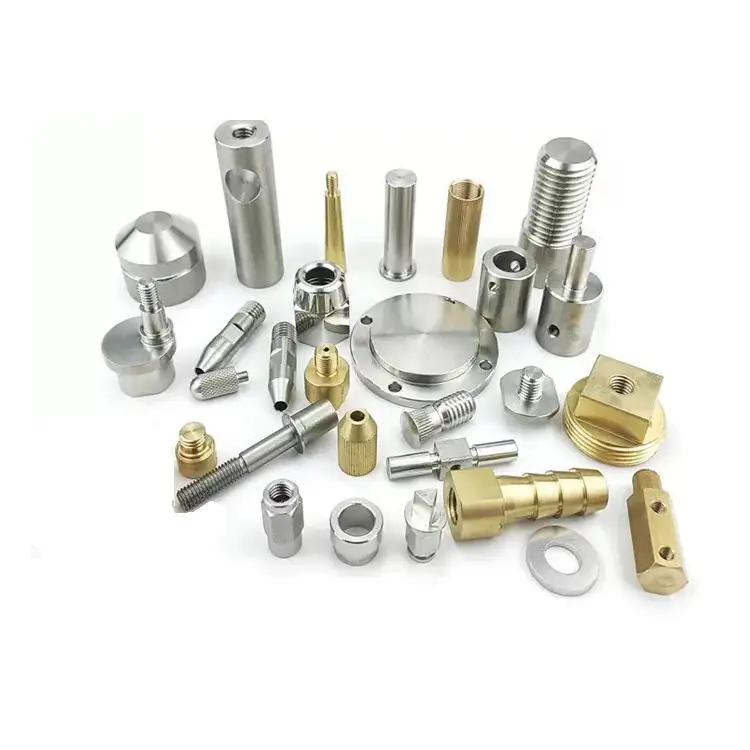
Bộ phận phay tiện CNC
Nuote Metals là nhà sản xuất các bộ phận phay tiện CNC của Trung Quốc có trụ sở tại Thành phố Đông Quan, gia công CNC liên quan đến việc sử dụng máy tính để điều khiển máy công cụ. Do đó, quy trình này cho phép độ chính xác và khả năng lặp lại cao, khiến nó trở nên lý tưởng cho các bộ phận phức tạp và phức tạp. Máy CNC có thể xử lý nhiều loại vật liệu và thực hiện nhiều thao tác như cắt, khoan và phay. Phần phay tiện CNC điển hình bao gồm các linh kiện hàng không vũ trụ, thiết bị y tế.
Đọc thêmGửi yêu cầu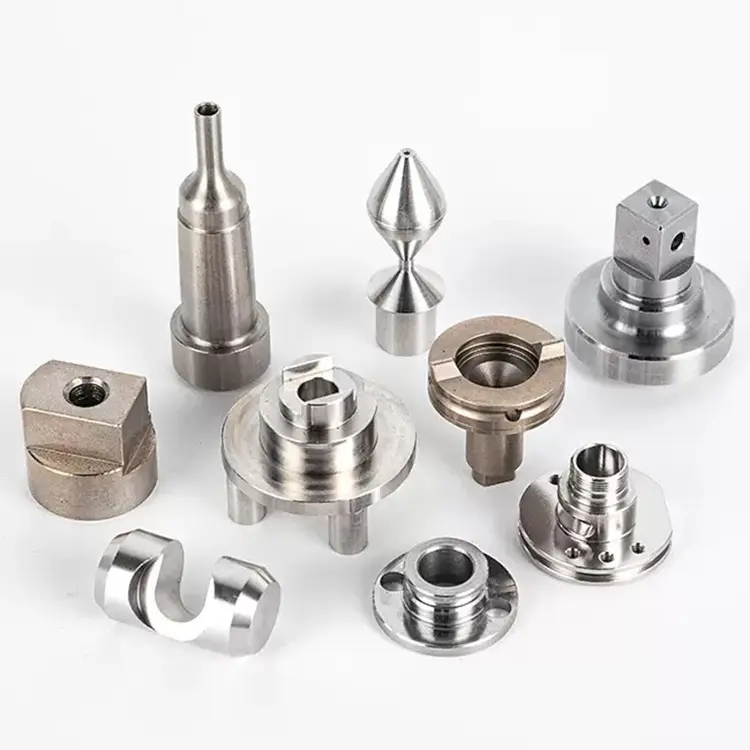
Phụ tùng máy tiện CNC
các bộ phận máy tiện cnc được sản xuất theo số đo cụ thể. Kết quả là, điều này có nghĩa là các bộ phận khớp với nhau một cách chính xác và hoạt động như dự định mà không có khoảng trống hoặc sai lệch. Dung sai chặt chẽ rất quan trọng trong các ngành như hàng không vũ trụ, ô tô và thiết bị y tế, trong đó ngay cả một sai lệch nhỏ cũng có thể ảnh hưởng đến hiệu suất hoặc độ an toàn. Nuote Metals và nhóm của chúng tôi đã cống hiến hết mình trong lĩnh vực tiện CNC này trong hơn 10 năm, rất vui lòng gửi cho chúng tôi các yêu cầu tiện của bạn.
Đọc thêmGửi yêu cầu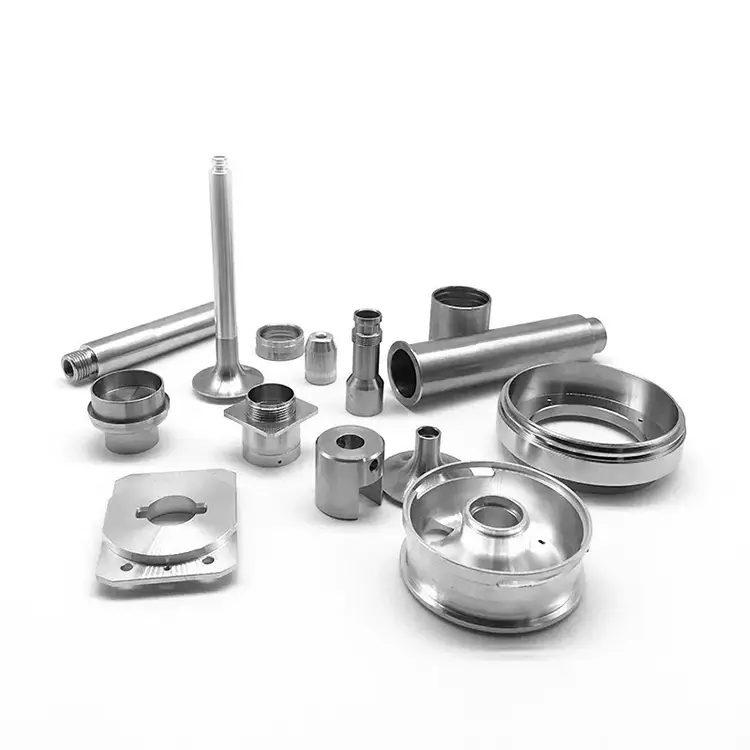
Linh kiện tiện chính xác CNC
Trong hơn 10 năm, Nuote Metals đã sản xuất các bộ phận tiện chính xác bằng cnc hiệu suất cao cho nhiều ngành công nghiệp. Cho dù được sử dụng trong ngành hàng không vũ trụ, y tế, ô tô hay điện tử tiêu dùng, các bộ phận tiện chính xác cnc đều mang lại độ chính xác và chất lượng chưa từng có.
Đọc thêmGửi yêu cầu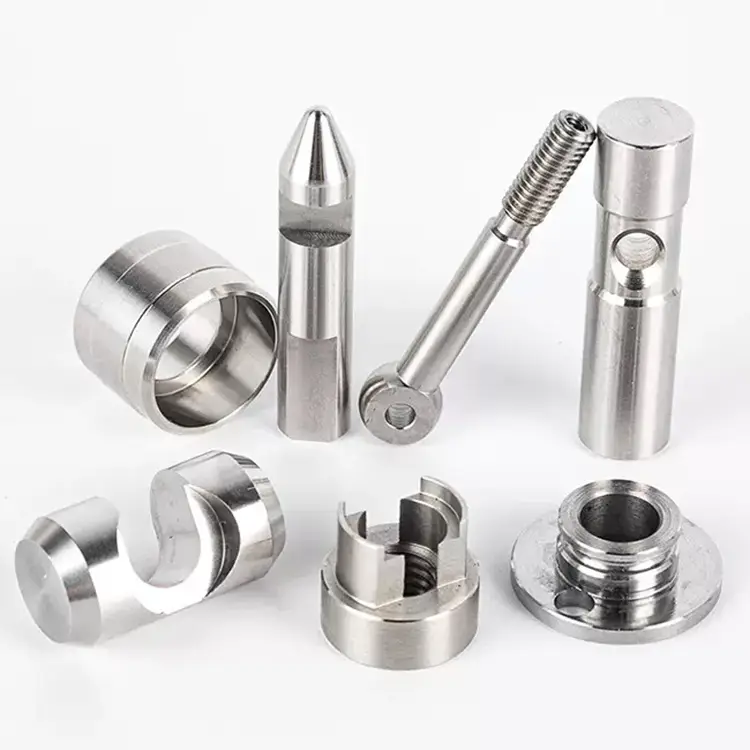
Linh kiện máy tiện CNC
Gia công máy tiện CNC với các kỹ thuật như phay và tiện, đã cải thiện độ chính xác của việc chế tạo các linh kiện máy tiện cnc và tăng hiệu quả. Do đó, các bộ phận gia công máy tiện cnc đã trở nên không thể thiếu trong các lĩnh vực như hàng không vũ trụ và ô tô, trong đó độ chính xác của độ tin cậy của bộ phận là tối quan trọng. Nuote Metals đã hoạt động trong ngành gia công CNC hơn 10 năm, chúng tôi có thể giúp bạn làm cho các bộ phận CNC của bạn trở nên hoàn hảo.
Đọc thêmGửi yêu cầu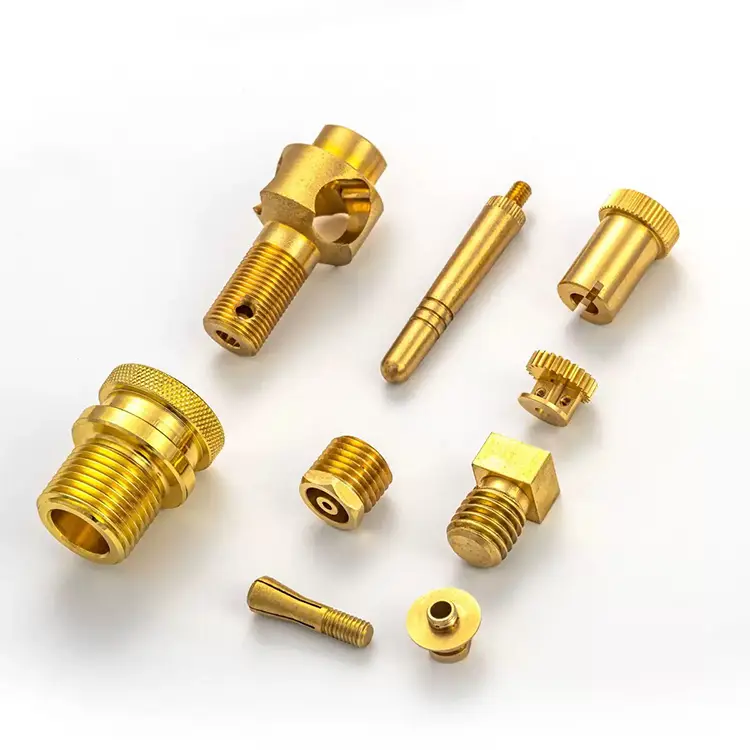
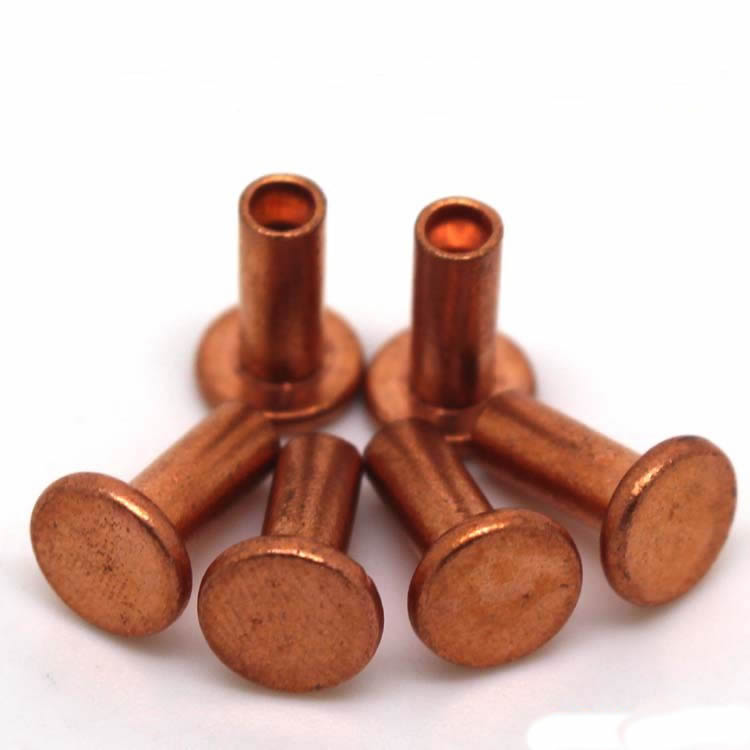
Bộ phận CNC bằng đồng thau
Nuote Metals là nhà sản xuất các bộ phận CNC bằng đồng hàng đầu của Trung Quốc, Các kỹ thuật viên có tay nghề cao của chúng tôi, kết hợp với danh mục đầy đủ các trung tâm tiện CNC 4 và 5 trục tiên tiến, máy trục vít CNC kiểu Thụy Sĩ và máy trục vít nhiều trục, cho phép chúng tôi gia công các giải pháp tùy chỉnh để đáp ứng yêu cầu của bất kỳ dự án nào. Chúng tôi hợp tác chặt chẽ với mạng lưới các nhà cung cấp xử lý thứ cấp và cung cấp nhiều dịch vụ giá trị gia tăng để giảm chi phí cho khách hàng và cải thiện năng suất.
Đọc thêmGửi yêu cầu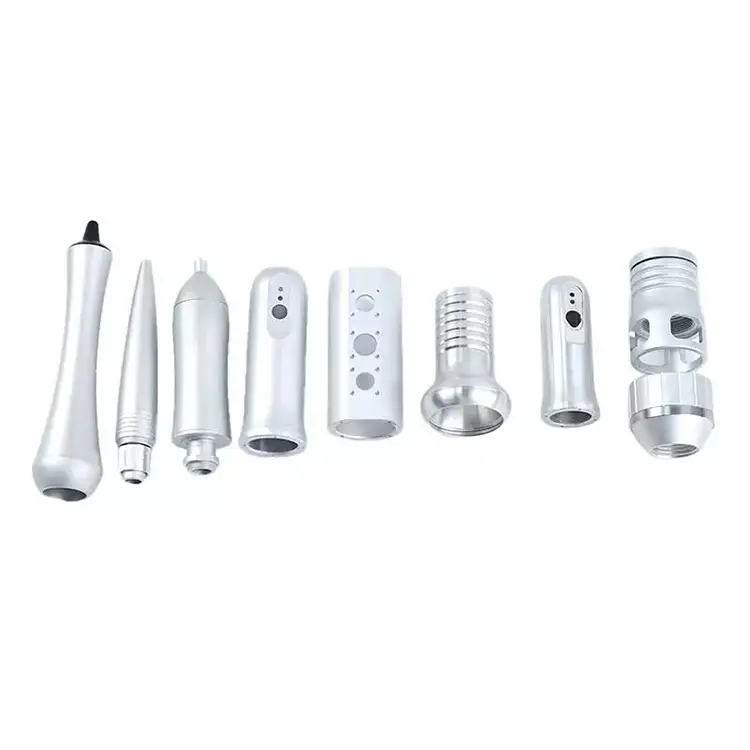
Bộ phận tiện nhôm Cnc
Nuote Metals sản xuất các bộ phận tiện nhôm cnc ở Đông Quan, Trung Quốc. Để đạt được dung sai gần nhất và độ hoàn thiện bề mặt tốt nhất, chúng tôi đã trang bị 35 trung tâm tiện và máy tiện CNC hiện đại. Những máy được điều khiển bằng máy tính này có thể tạo ra khối lượng lớn các bộ phận với độ chính xác và độ lặp lại đặc biệt.
Đọc thêmGửi yêu cầuMain points and precautions for processing different materials
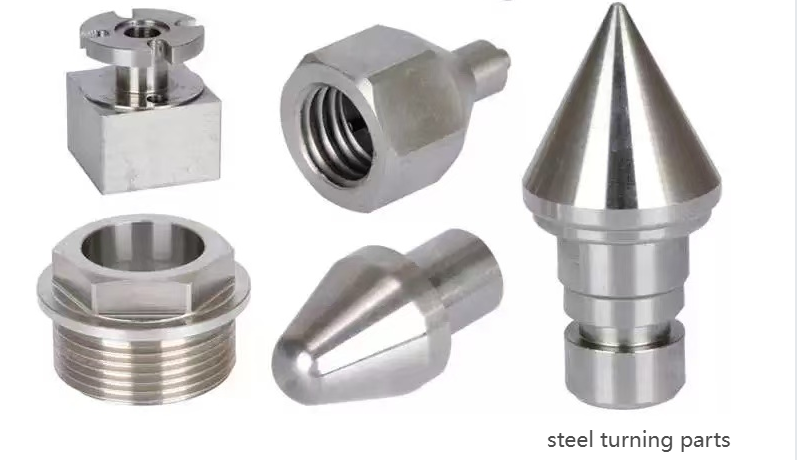
Main points for steel turning:
(1) When performing high-speed cutting, the cutting depth should not be too large to prevent the cutting edge from overheating and becoming brittle and damaged;
(2) Pay attention to cooling and spray water or oil on the cutting area in time;
(3) Pay attention to selecting the appropriate tool type and cutting parameters.
Main points for brass turning:
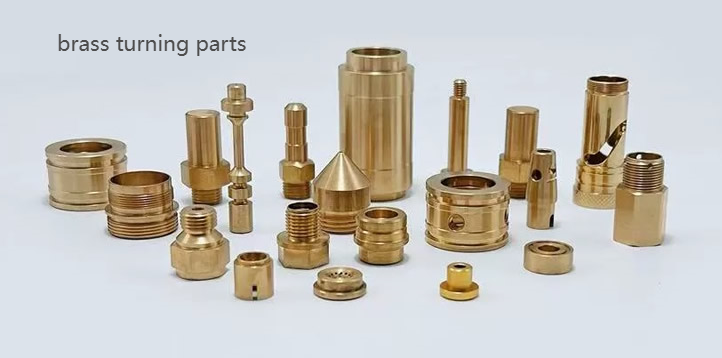
(1) The processing speed should not be too fast to prevent thermal deformation of the material;
(2) Select appropriate cutting fluid and tool;
(3) Pay attention to tool wear and damage to the cutting edge.
Main points for aluminum turning:
(1) Use cutting fluid to reduce chips;
(2) Select appropriate cutting parameters;
(3) Pay attention to avoiding heating in the cutting area and preventing the cutting edge from deteriorating.

Key points of Stainless steel turning:
(1) Stainless steel has a high plastic deformation capacity. During processing, it is important to control the processing volume to avoid excessive deformation;
(2) Select appropriate cutting parameters and cutting fluids;
(3) Pay attention to tool wear and damage.
What are the advantages of CNC turning processing?
1. High precision: CNC turnings can achieve high-precision processing, and their accuracy can reach below 0.01mm.
2. High efficiency: CNC turnings have fast processing speeds and can continuously process multiple workpieces, which improves production efficiency.
3. High degree of automation: CNC turnings are controlled by computer programs, with a high degree of automation, which reduces the difficulty of manual operation.
4. Stable workpiece quality: CNC turnings have stable processing and high precision, which effectively guarantees the quality of workpieces.
What fields are CNC turning parts mainly used in?
CNC turnings are widely used in high-precision fields such as model manufacturing, aerospace, and satellite manufacturing. At the same time, they are gradually entering large-scale production fields such as automobiles, machinery, and chemicals. CNC turning processing has become an essential tool for modern high-precision, high-efficiency manufacturing.
Conclusion
This concludes our introduction to CNC turning processing. With the continuous advancement of technology, CNC turning processing will be applied in more fields, ushering in even broader development prospects.



X
Chúng tôi sử dụng cookie để cung cấp cho bạn trải nghiệm duyệt web tốt hơn, phân tích lưu lượng truy cập trang web và cá nhân hóa nội dung. Bằng cách sử dụng trang web này, bạn đồng ý với việc chúng tôi sử dụng cookie.
Chính sách bảo mật