Khoen
Nuote Metals, một nhà sản xuất có uy tín ở Trung Quốc, sẵn sàng cung cấp cho bạn Khoen. Chúng tôi hứa sẽ cung cấp cho bạn sự hỗ trợ sau bán hàng tốt nhất và giao hàng nhanh chóng.
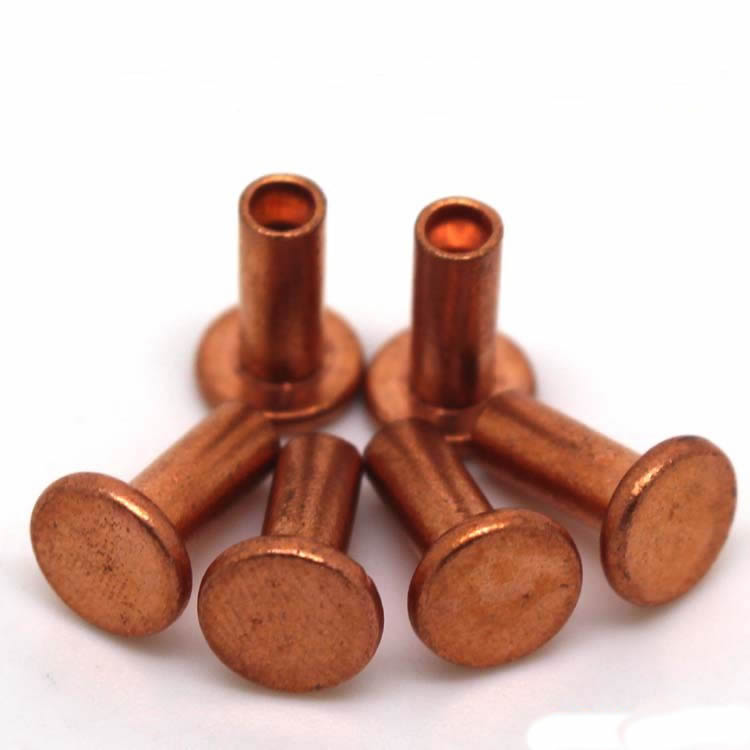
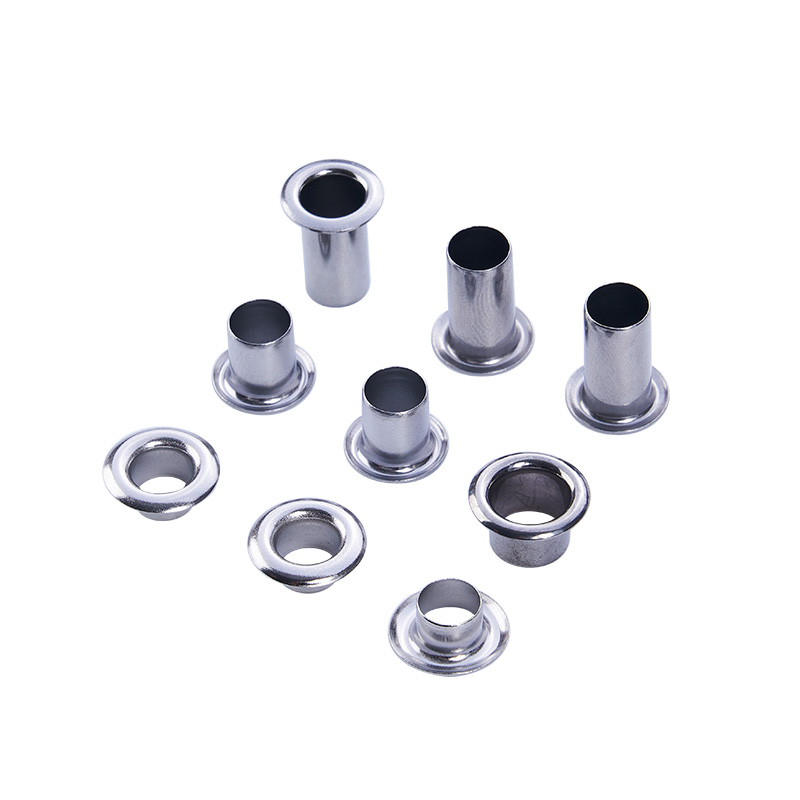
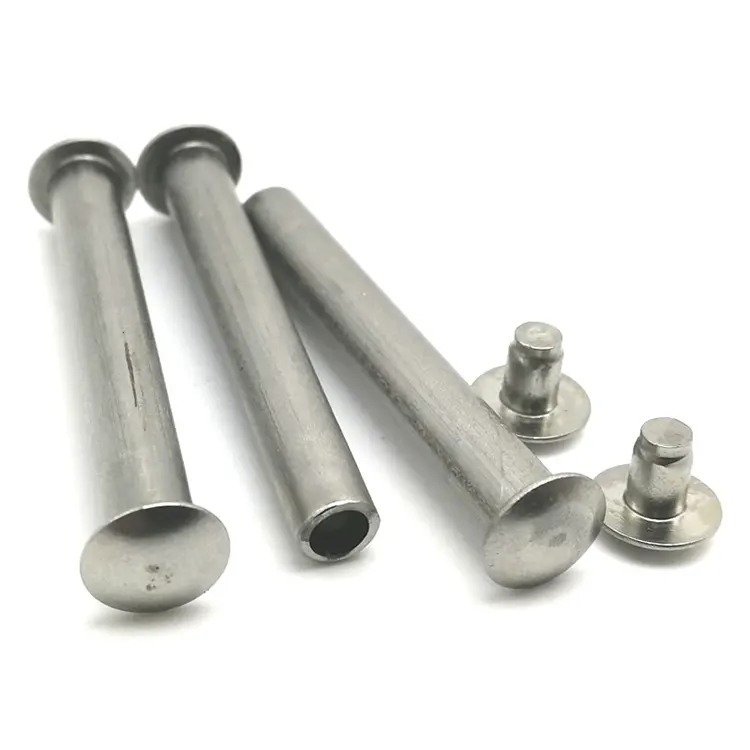
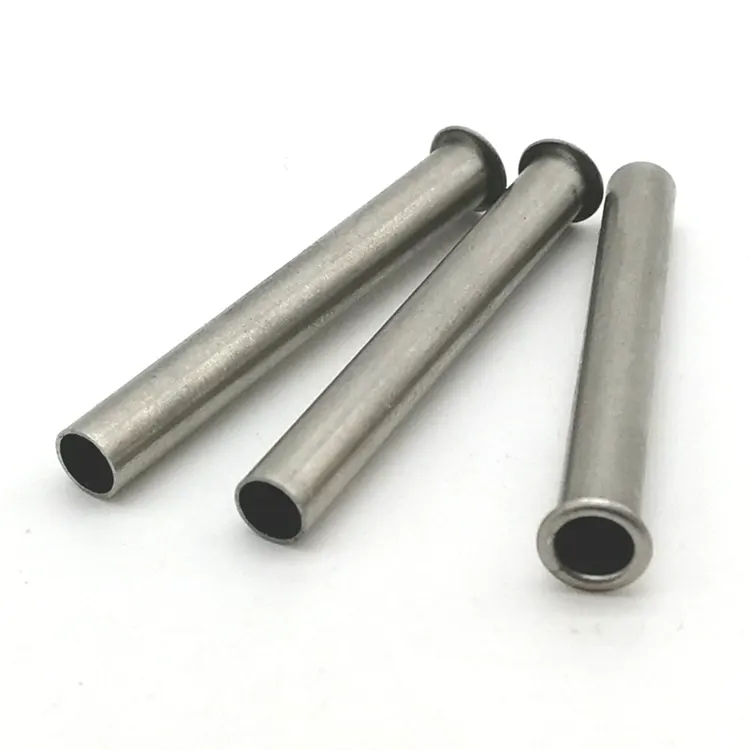
Khoen được đặc trưng bởi cài đặt nhanh chóng, hiệu suất ổn định và độ tin cậy cao. So với các loại ốc vít khác, khoen rẻ hơn đáng kể trên mỗi đơn vị và có nhiều ứng dụng. Chúng giống nhau vớiđinh tán hình ống, nhưng được làm từ các kỹ thuật và máy móc khác nhau. Khoen được làm từ kỹ thuật kéo sâu và đinh tán hình ống được làm từ ống.
Một lỗ mắt là gì?
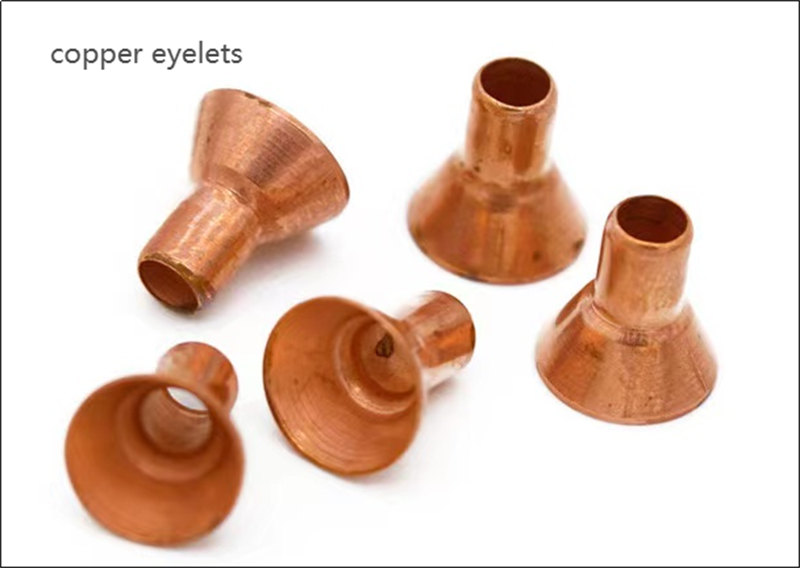
Một lỗ gắn chủ yếu bao gồm một nắp và một thân. Nắp thường có hình tròn hoặc hình bầu dục, mang lại diện tích bề mặt lớn để dễ dàng đóng búa trong quá trình lắp đặt. Thân có chiều dài và đường kính vừa phải, đảm bảo đinh tán kết nối chắc chắn hai hoặc nhiều bộ phận. Chức năng chính của loại lỗ gắn này là kết nối và cố định các bộ phận, đảm bảo kết nối an toàn mà không làm hỏng vật liệu.
Có những loại lỗ khoét nào?
Dựa trên vật liệu được sử dụng, chúng có thể được phân loại thànhkhoen đồng thau, khoen thép, khoen thép không gỉ, khoen nhôm, Vàkhoen đồng. Các khoen khác nhau có những đặc điểm khác nhau tùy thuộc vào đặc tính vật liệu của chúng.
Khoen bằng đồng thau: Chúng có tính dẫn điện và chống ăn mòn tuyệt vời, khiến chúng được sử dụng rộng rãi trong các ứng dụng kết nối điện và buộc chặt khác nhau.
Khoen thép: thép có độ bền và độ cứng cao và tương đối rẻ tiền. Tuy nhiên, thép có khả năng chống ăn mòn kém và dễ bị rỉ sét, đặc biệt là trong môi trường ẩm ướt. Vì vậy, phạm vi ứng dụng của đinh tán có lỗ gắn sắt tương đối hạn chế.

Khoen bằng thép không gỉ: Đặc trưng bởi khả năng chống ăn mòn mạnh, chúng thường được sử dụng để buộc chặt các sản phẩm cấp thực phẩm. Tuy nhiên, do vật liệu có độ cứng tương đối cao nên việc sản xuất gặp nhiều khó khăn nên đơn giá tương đối cao.

Khoen nhôm: Dùng để buộc lỗ dây giày, lỗ thắt lưng, dây rút áo gió, giúp xỏ vào và cởi ra nhanh chóng, đồng thời tăng tính thẩm mỹ.
Khoen đồng: Do có tính dẫn điện rất tốt nên chúng thường được sử dụng để kết nối, cố định các sản phẩm điện tử.
Những phương pháp xử lý bề mặt nào có sẵn cho khoen?
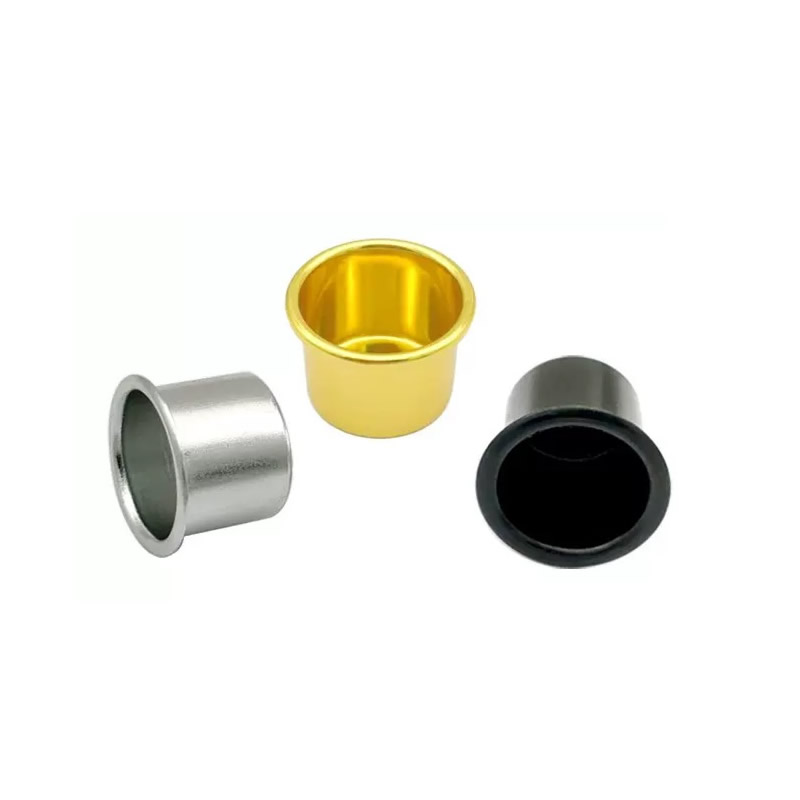
Khoen được mạ kẽm nhúng nóng và đánh bóng để tạo lớp bảo vệ trên bề mặt mang lại đặc tính chống tĩnh điện, chống ăn mòn và chống dị ứng. Khoen đồng có nhiều màu sắc khác nhau, bao gồm niken trắng, thiếc đánh bóng, vàng giả, đồng cổ, niken mờ, đồng, kẽm và bạc.
Một số khách hàng cũng thích sơn tĩnh điện đầu lỗ gắn để màu sắc phù hợp với thiết kế tổng thể và chống oxy hóa.

Các sản phẩm
- View as
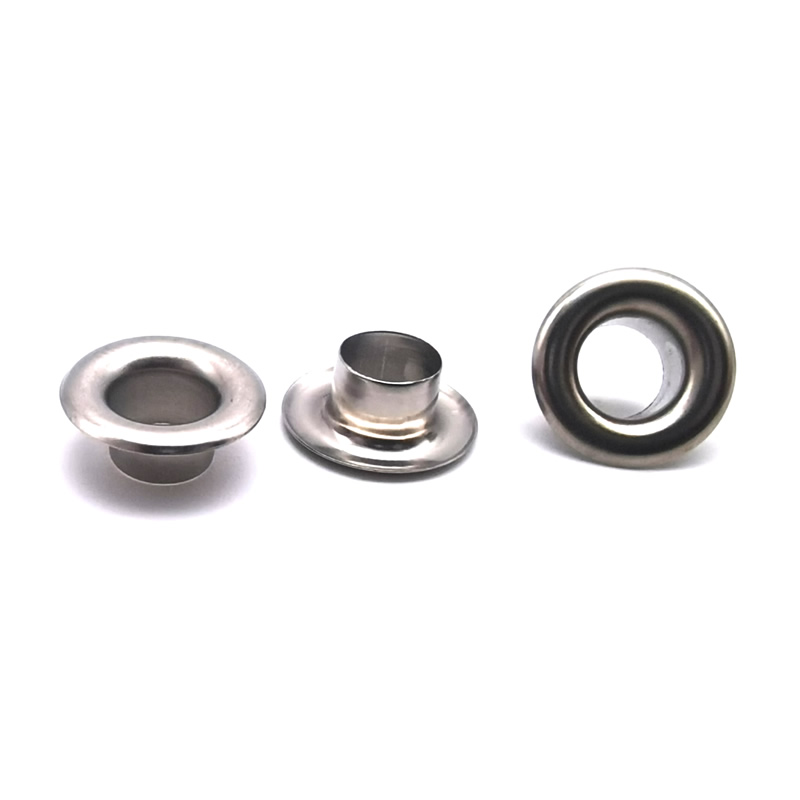
Khoen túi
Thiết kế một chiếc túi xách thường đòi hỏi nhiều kích cỡ lỗ gắn. Nuote Metals, một nhà máy ở Trung Quốc, cung cấp Khoen Túi Tùy chỉnh từ 2 mm đến 10 mm, bằng đồng thau, thép, thép không gỉ hoặc nhôm, có mạ niken, kẽm hoặc mạ cổ. Vành cuộn bảo vệ các mép vải và thiết lập phẳng đảm bảo độ hoàn thiện tinh tế. Trộn và kết hợp các lỗ dây đeo, thông gió hoặc các điểm nhấn trang trí. Hãy tin tưởng vào nhà máy của chúng tôi để có chất lượng ổn định và các giải pháp phù hợp.
Đọc thêmGửi yêu cầu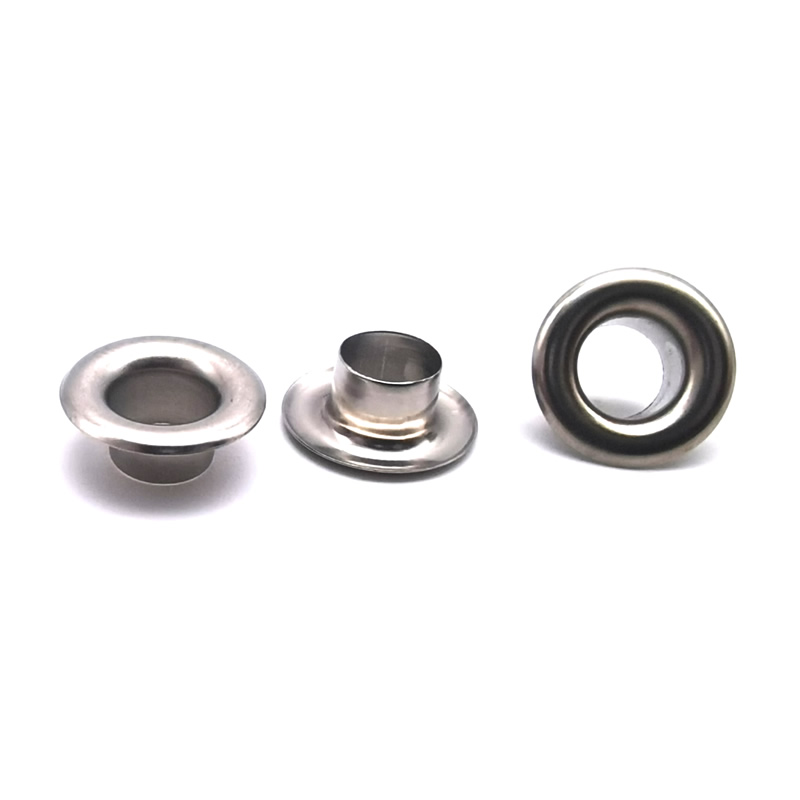
Khoen đồng thau 5mm
Lỗ lớn hơn cho dây lớn hơn. Nhà máy ở Trung Quốc của chúng tôi, Nuote Metals, sản xuất khoen bằng đồng 5mm tùy chỉnh. Hoàn hảo cho những đôi ủng lao động nặng, vải bạt dày và tấm phủ đi biển. Đường kính bên trong rộng hơn dễ dàng chấp nhận dây thừng hoặc dây da 6 mm, đồng thời kết cấu bằng đồng thau chống rỉ sét và nghiền nát. Các cạnh cuộn bảo vệ vải khỏi bị rách khi chịu tải. Đừng buộc những sợi dây dày qua những lỗ nhỏ. Hãy chọn kích thước 5 mm của chúng tôi để có dây buộc mượt mà hơn và tuổi thọ dài hơn. Hãy tin tưởng chúng tôi để có được khoen tùy chỉnh trực tiếp tại nhà máy.
Đọc thêmGửi yêu cầu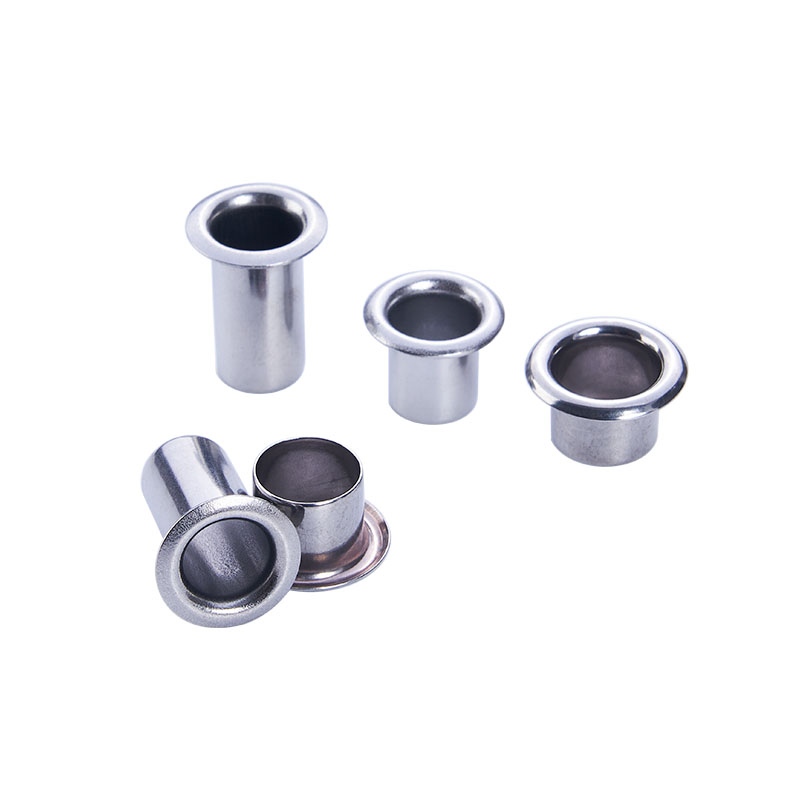
Khoen thép không gỉ cho vải
Môi trường ngoài trời và biển đòi hỏi phải gia cố chống ăn mòn. Nhà máy ở Trung Quốc của chúng tôi, Nuote Metals, sản xuất khoen bằng thép không gỉ tùy chỉnh cho vải canvas. Thép lớp 304 hoặc 316 chịu được phun muối, tia cực tím và độ ẩm mà không bị rỉ sét. Vành cuộn bảo vệ các mép vải không bị sờn khi bị căng. Hoàn hảo cho tấm phủ thuyền, tấm bạt xe tải và mái hiên. Giải quyết lỗi dây buộc trong điều kiện khắc nghiệt. Hãy tin tưởng chúng tôi để có được khoen không gỉ có độ bền cao hơn đồng thau hoặc kẽm thông thường.
Đọc thêmGửi yêu cầu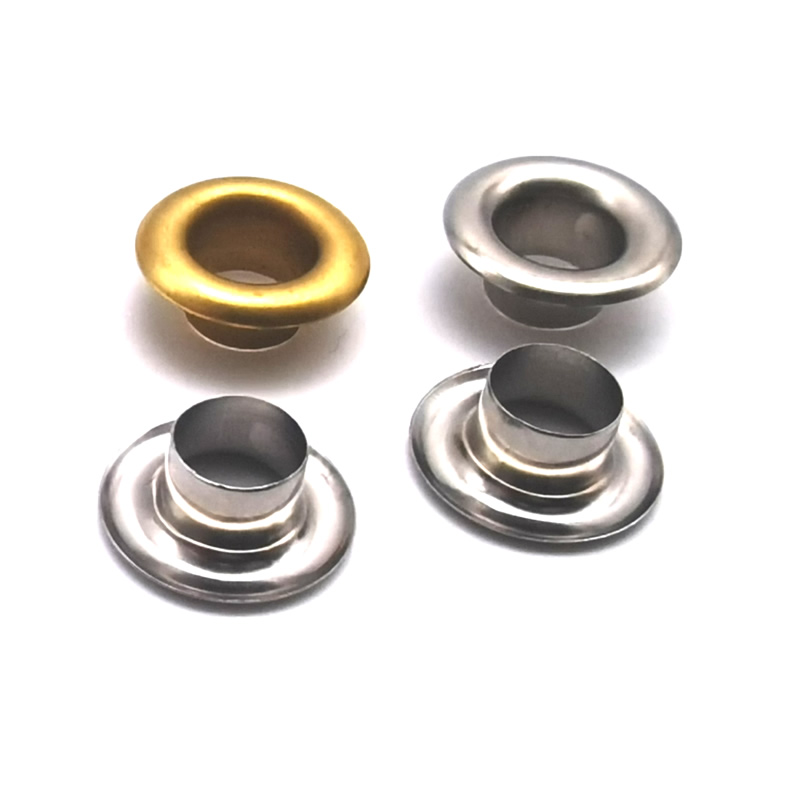
Khoen đồng thau cho vải
Đối với các ứng dụng canvas chịu lực cao, Nuote Metals từ Trung Quốc cung cấp khoen bằng đồng tùy chỉnh cho canvas được chế tạo để tồn tại lâu dài. Không giống như các lỗ khoen tiêu chuẩn, cấu trúc bằng đồng thau của chúng tôi chống rỉ sét và xử lý lực kéo có áp suất cao mà không bị biến dạng. Hoàn hảo cho bạt, vỏ thuyền, lều và biểu ngữ ngoài trời. Mép cuộn bảo vệ sợi vải khỏi bị sờn trong khi mặt bích rộng hơn phân bổ tải trọng đều. Giải quyết các vấn đề rách và ăn mòn sớm bằng khoen bằng đồng thau trực tiếp tại nhà máy của chúng tôi. Hãy tin tưởng chúng tôi về khả năng gia cố chắc chắn có thể chịu được thời tiết và mài mòn.
Đọc thêmGửi yêu cầu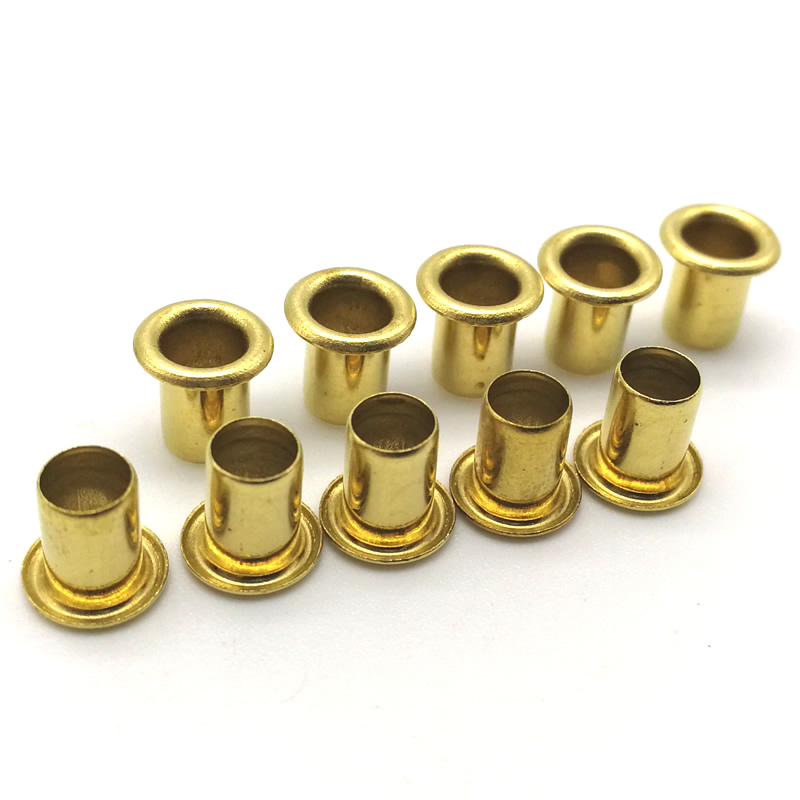
Khoen đồng thau 4mm
Nuote Metals từ Trung Quốc cung cấp khoen bằng đồng 4mm tùy chỉnh cho dây, dây buộc và dây thừng nặng hơn. Hoàn hảo cho áo hoodie, giày bảo hộ lao động, vải bạt và các thiết bị ngoài trời. Đường kính bên trong lớn hơn cho phép dây buộc dày đi qua trơn tru trong khi vành cuộn bảo vệ vải khỏi bị rách. Chống gỉ và có cạnh nhẵn, những lỗ khoen này lắp đặt dễ dàng và luôn an toàn. Nâng cấp dự án của bạn với sự gia cố đáng tin cậy. Hãy tin tưởng chúng tôi về chất lượng sản xuất trực tiếp và vận chuyển nhanh chóng.
Đọc thêmGửi yêu cầu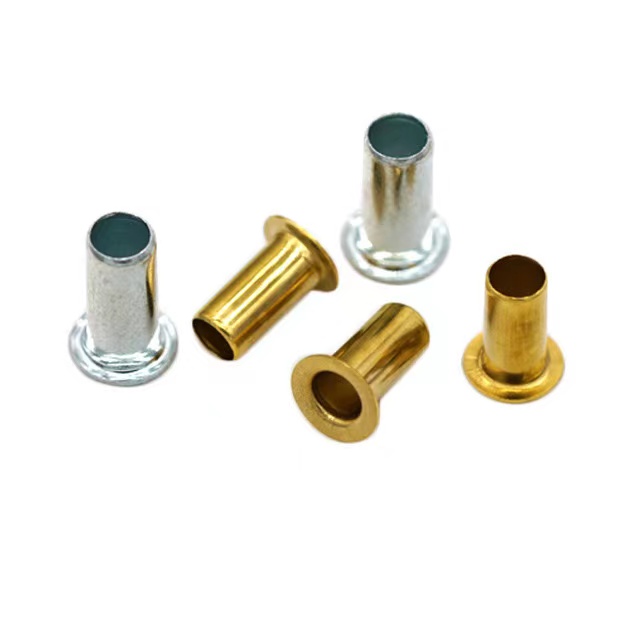
Lỗ gắn lỗ
Cần một lỗ gắn lỗ đáng tin cậy? Từ nhà máy ở Trung Quốc của chúng tôi, Nuote Metals sản xuất khoen đục lỗ tùy chỉnh cho bạt, biểu ngữ và thiết bị ngoài trời. Thiết kế đục lỗ đảm bảo các lỗ sạch sẽ mà không bị biến dạng vải, có sẵn bằng đồng thau, sắt, thép không gỉ hoặc nhôm. Hoàn hảo cho những người tự làm và các nhà sản xuất đang tìm kiếm sự gia cố nhanh chóng. Giải quyết tình trạng rách mép bằng khoen lắp đặt trong vài giây. Hãy tin tưởng chúng tôi vì kích thước phù hợp và giao hàng nhanh chóng.
Đọc thêmGửi yêu cầuCác ứng dụng chính của khoen là gì?
Đinh tán lỗ gắn được sử dụng rộng rãi trong các ngành xây dựng, ô tô, hàng hải, hàng không và điện tử.
Trong ngành xây dựng, đinh tán có lỗ được sử dụng để kết nối các thành phần kim loại khác nhau, chẳng hạn như dầm và cột thép.
Trong ngành công nghiệp ô tô, hàng hải và hàng không, đinh tán có lỗ gắn được sử dụng để kết nối các vật liệu khác nhau, chẳng hạn như hợp kim nhôm và hợp kim titan.
Trong ngành công nghiệp điện tử, đinh tán có lỗ gắn được sử dụng để kết nối các vật liệu kim loại và phi kim loại khác nhau, chẳng hạn như tấm kim loại và tấm nhựa.
Những công cụ nào được sử dụng để đinh tán lỗ khoen?
Đinh tán có lỗ gắn có thể được tán đinh bằng kìm tán đinh bằng tay hoặc bằng điện. Kìm tán đinh thủ công là một công cụ phổ biến và thường thích hợp để tán đinh các lỗ nhỏ. Kìm tán đinh bằng điện thích hợp để tán đinh các lỗ lớn và số lượng lớn.
Cần chuẩn bị những gì trước khi tán đinh?
Chuẩn bị trước khi tán đinh bao gồm làm sạch bề mặt vật liệu được tán đinh và chọn đường kính lỗ đinh tán thích hợp. Làm sạch bề mặt vật liệu được tán đinh sẽ loại bỏ bụi bẩn và dầu mỡ trên bề mặt, đảm bảo mối nối an toàn. Việc chọn đường kính lỗ đinh tán thích hợp có thể ngăn ngừa nứt hoặc lỏng trong quá trình tán đinh.
Những biện pháp phòng ngừa nào cần được thực hiện khi tán đinh?
1. Vị trí lắp đặt đinh tán lỗ gắn phải trùng với đường tâm của lỗ đinh tán.
2. Thân lỗ khoen phải vuông góc với bề mặt vật liệu được tán đinh trong quá trình tán đinh.
3. Đầu lỗ gắn phải ổn định theo chiều ngang.
4. Độ sâu của lỗ khoen phải bằng tổng chiều dài thân đinh tán và chiều dài của phần tán đinh áp suất lỗ gắn.
5. Lực tán đinh phải phù hợp, không quá cao cũng không quá thấp, tùy thuộc vào độ dày và tính chất của vật liệu.
6. Sau khi tán đinh, cần kiểm tra chất lượng của khoen để tìm dấu hiệu của khoen bị hỏng hoặc có vật lạ.
Phần kết luận
Đinh tán lỗ gắn là một loại dây buộc đinh tán đa năng có thể được sử dụng rộng rãi để kết nối các tấm kim loại khác nhau và các vật liệu khác nhau. Cần phải chuẩn bị kỹ lưỡng trước khi tán đinh, bao gồm việc chọn đường kính lỗ đinh tán thích hợp và làm sạch bề mặt vật liệu được tán đinh. Trong quá trình tán đinh, các yếu tố như lực tán đinh và độ sâu lỗ phải được xem xét cẩn thận để đảm bảo kết nối chất lượng cao.



X
Chúng tôi sử dụng cookie để cung cấp cho bạn trải nghiệm duyệt web tốt hơn, phân tích lưu lượng truy cập trang web và cá nhân hóa nội dung. Bằng cách sử dụng trang web này, bạn đồng ý với việc chúng tôi sử dụng cookie.
Chính sách bảo mật