Bộ phận dập
Notin invites you to visit our factory to purchase the newest, best-selling, affordable, and high-quality Stamping Parts. We are looking forward to working with you.
What are stamping parts?
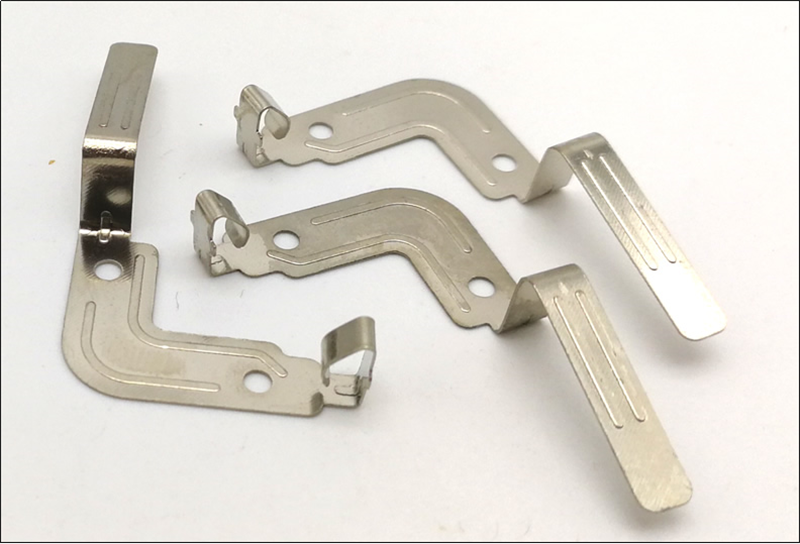
stamping parts are metal parts manufactured through a stamping process, using dies and presses to shear, bend, and stretch sheet metal (such as steel, aluminum, or copper) to form the desired shape. The core characteristics of this process are high efficiency and precision. Stamping can be categorized into two main types: separation processes (such as punching and blanking) and forming processes (such as drawing and flanging), to meet different structural requirements.
What are the main characteristics of stamping parts?
1. Compared to casting and forging, stamping parts are thinner, more uniform, lighter, and stronger. Stamping can produce workpieces with ribs, ribs, corrugations, or flanging that are difficult to create using other methods to increase rigidity.
2. Due to the use of dies, workpiece precision can reach micron levels, with high repeatability and consistent specifications, including punched holes and bosses. Cold stamped parts generally require no or minimal cutting.
3. The precision and surface finish of hot stamped parts are lower than those of cold stamped parts, but still superior to those of castings and forgings, requiring less cutting. 4. Using composite dies, particularly multi-station progressive dies, allows multiple stamping steps to be completed on a single press, achieving automated production from strip uncoiling, leveling, blanking, to forming and finishing.
5. High production efficiency, good working conditions, and low production costs enable the production of hundreds of pieces per minute. Stamping is primarily categorized by process into separating and forming.
6. The surface and internal properties of the stamped sheet material significantly impact the quality of the stamped product, requiring consistent thickness and uniformity of the stamped material.
7. The surface must be smooth, free of scars, scratches, or surface cracks, with uniform yield strength and no apparent directional variation; high uniform elongation; low yield strength; and low work hardening.
Metal Stamping Design Process
Metal stamping is a complex process that may include numerous metal forming steps—blank-cutting, punching, bending, and piercing, among others. Blanking: This process involves cutting the rough outline or shape of the product. This stage is focused on minimizing and avoiding burrs, which increase part cost and extend delivery time. This step is where you determine the hole diameter, geometry/taper, edge-to-hole spacing, and insert the first punch.
Bends: When designing bends in stamped metal parts, it's important to leave enough material—make sure to design your part and its blank so there's enough material to make the bend. Some important factors to keep in mind:
If the bend is too close to the hole, it may deform.
Notches, tabs, and notches should be designed with a width of at least 1.5 times the material thickness. Any smaller and they may become difficult to manufacture due to the forces exerted on the punch, causing them to break.
Each corner in the blank design should have a radius of at least half the material thickness.
To minimize the occurrence and severity of burrs, avoid sharp corners and complex cuts whenever possible. When these factors cannot be avoided, be sure to note the burr direction in the design so that it can be accounted for during stamping.
Coining: This action involves striking the edge of a stamped metal part to flatten or break burrs. This creates a smoother edge in the coined area of the part geometry. It can also add additional strength to localized areas of the part, which can avoid secondary operations such as deburring and grinding.
Các sản phẩm
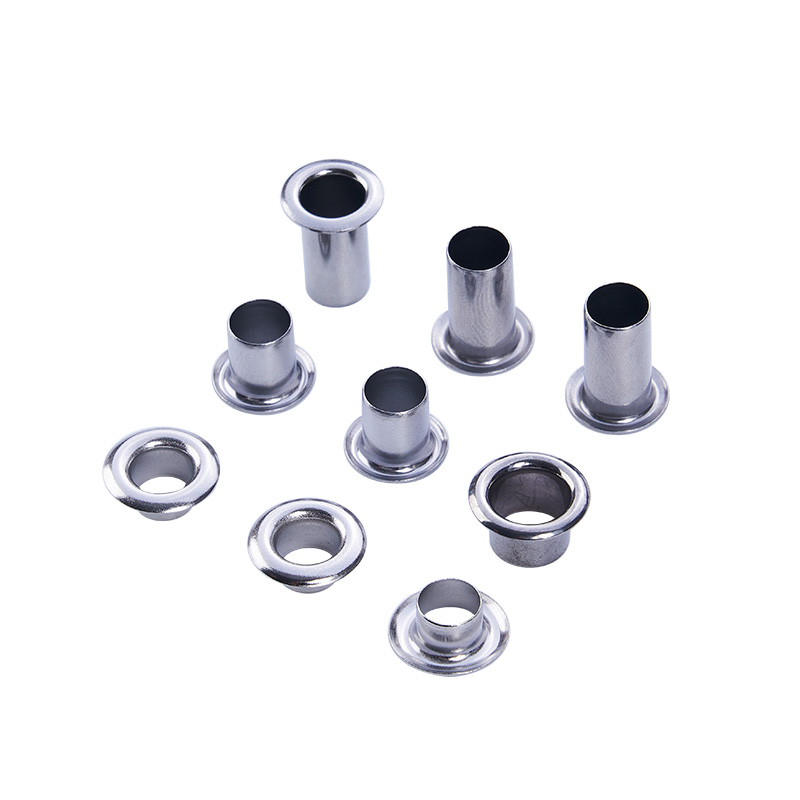
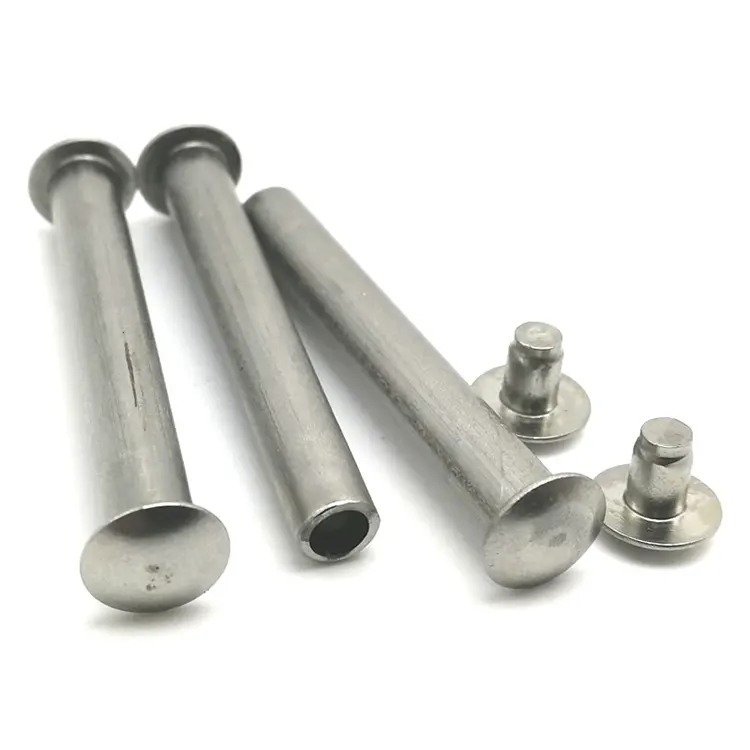
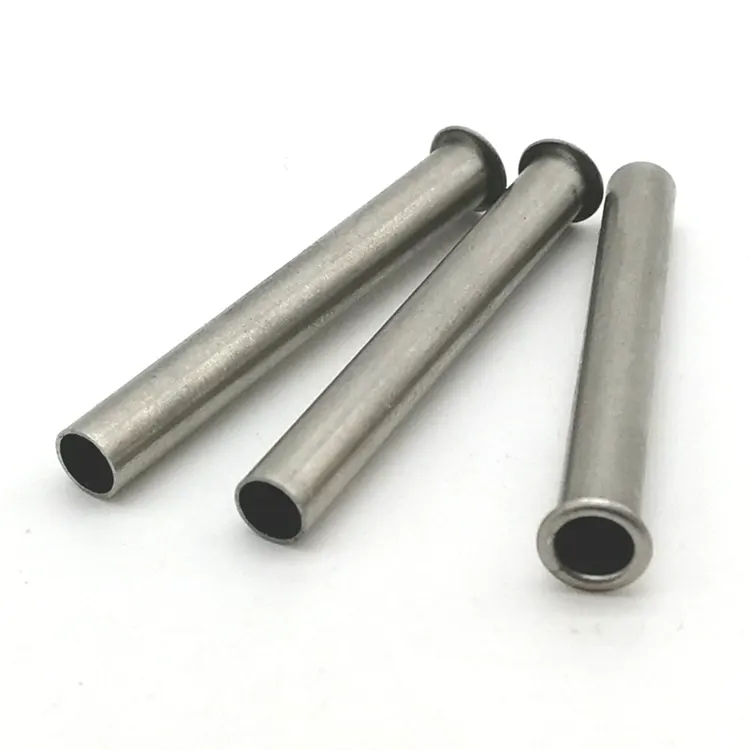
- View as
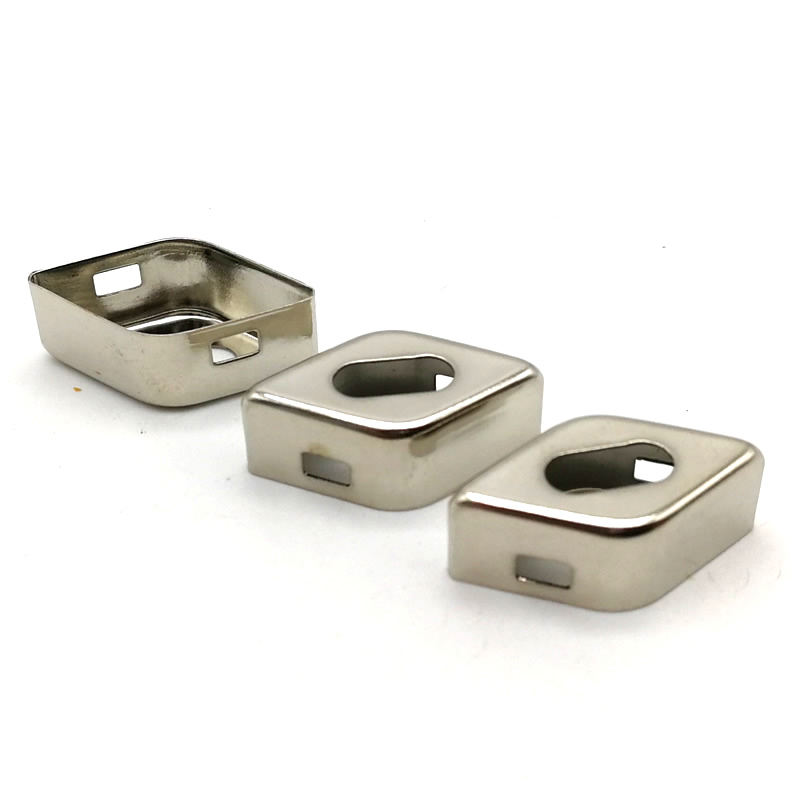
Linh kiện kim loại đóng dấu
Từ nhà máy ở Trung Quốc của chúng tôi, Nuote Metals sản xuất các bộ phận kim loại được dán tem tùy chỉnh cho các ngành công nghiệp đa dạng—ô tô, thiết bị, điện tử và phần cứng. Bằng cách sử dụng máy ép tốc độ cao và khuôn dập chính xác, chúng tôi biến đổi thép, đồng thau, nhôm hoặc thép không gỉ thành các bộ phận phức tạp, không có gờ với dung sai chặt chẽ. Cho dù bạn cần giá đỡ, kẹp, thiết bị đầu cuối hay khung máy, quy trình dập của chúng tôi đều đảm bảo khả năng lặp lại và tiết kiệm chi phí. Giải quyết tình trạng không nhất quán về nguồn cung và sai lệch kích thước bằng các bộ phận đáng tin cậy được giao đúng thời gian. Hãy tin tưởng chúng tôi về chất lượng giúp dây chuyền lắp ráp của bạn hoạt động trơn tru.
Đọc thêmGửi yêu cầu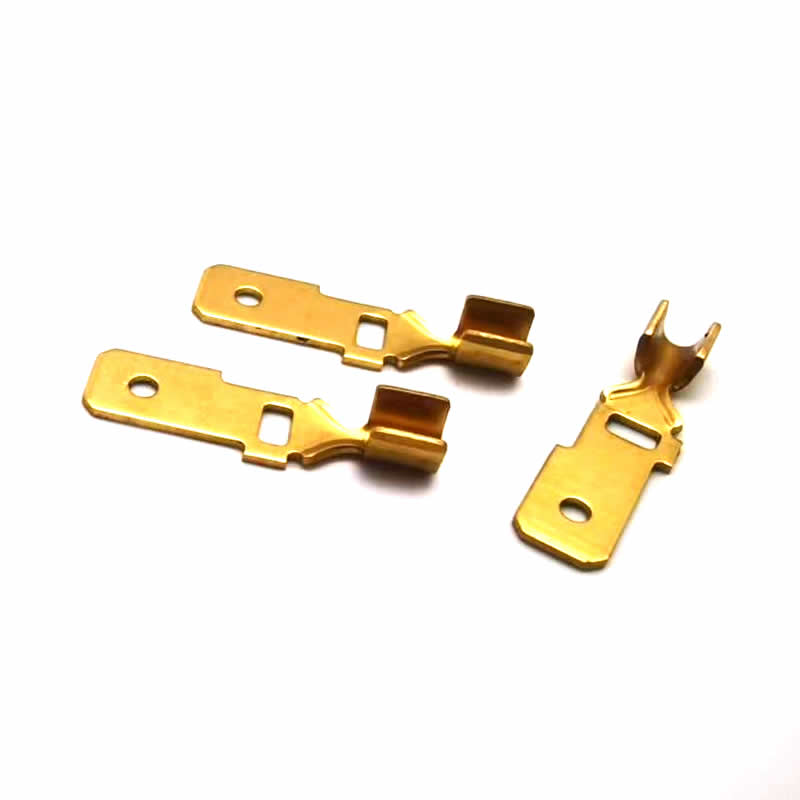
Dập kim loại có độ chính xác cao
Bạn đang tìm kiếm độ chính xác ở cấp độ micron? Nuote Metals, một nhà máy ở Trung Quốc, cung cấp dịch vụ dập kim loại có độ chính xác cao tùy chỉnh cho các bộ phận phức tạp trong ô tô, thiết bị điện tử và thiết bị y tế. Dụng cụ tiên tiến của chúng tôi đảm bảo dung sai chặt chẽ và các cạnh không có gờ, loại bỏ việc làm lại và phế liệu. Cho dù bạn cần hình dạng phức tạp hay tính nhất quán với khối lượng lớn, quy trình dập của chúng tôi đảm bảo khả năng lặp lại từng phần. Giải quyết vấn đề kém phù hợp và mài mòn sớm bằng cách dập kim loại được thiết kế chính xác. Hãy tin tưởng chúng tôi về chất lượng giúp cắt giảm chi phí và tăng độ tin cậy.
Đọc thêmGửi yêu cầu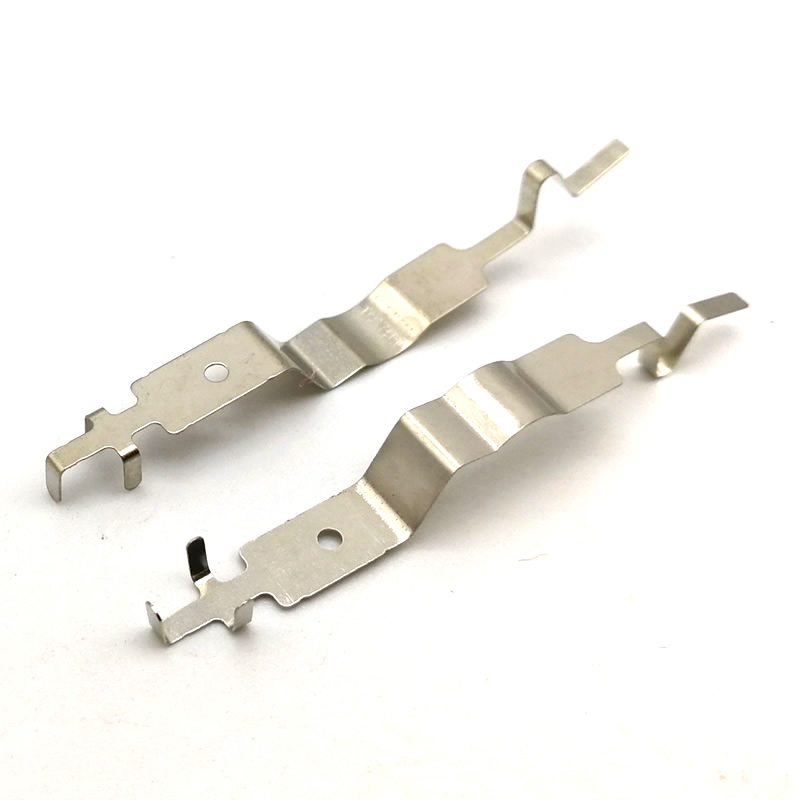
Dập các bộ phận nhỏ
Từ Trung Quốc, nhà sản xuất Nuote Metals cung cấp dịch vụ dập tùy chỉnh các bộ phận nhỏ cho thiết bị điện tử và thiết bị y tế. Khuôn chính xác tạo ra các bộ phận nhỏ với dung sai chặt chẽ. Giải quyết các thách thức thu nhỏ một cách đáng tin cậy. Tin tưởng vào nhà sản xuất về chất lượng trong từng chi tiết nhỏ.
Đọc thêmGửi yêu cầu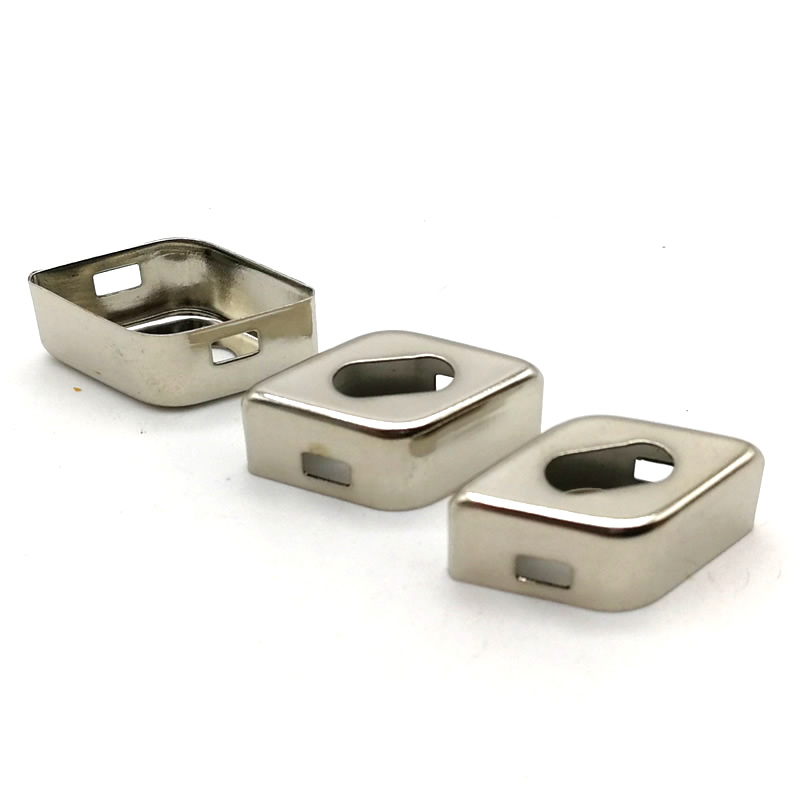
Bộ phận thép đóng dấu
Cần các bộ phận thép đóng dấu chắc chắn? Nuote Metals, một nhà máy ở Trung Quốc, cung cấp các bộ phận thép có tem tùy chỉnh cho máy móc hạng nặng và xây dựng. Việc dập có trọng tải lớn của chúng tôi đảm bảo độ dày và khả năng chống va đập ổn định. Giải quyết điểm yếu về kết cấu bằng các bộ phận thép được thiết kế để tăng cường sức mạnh. Hãy tin cậy vào nhà máy để có được độ bền lâu dài.
Đọc thêmGửi yêu cầu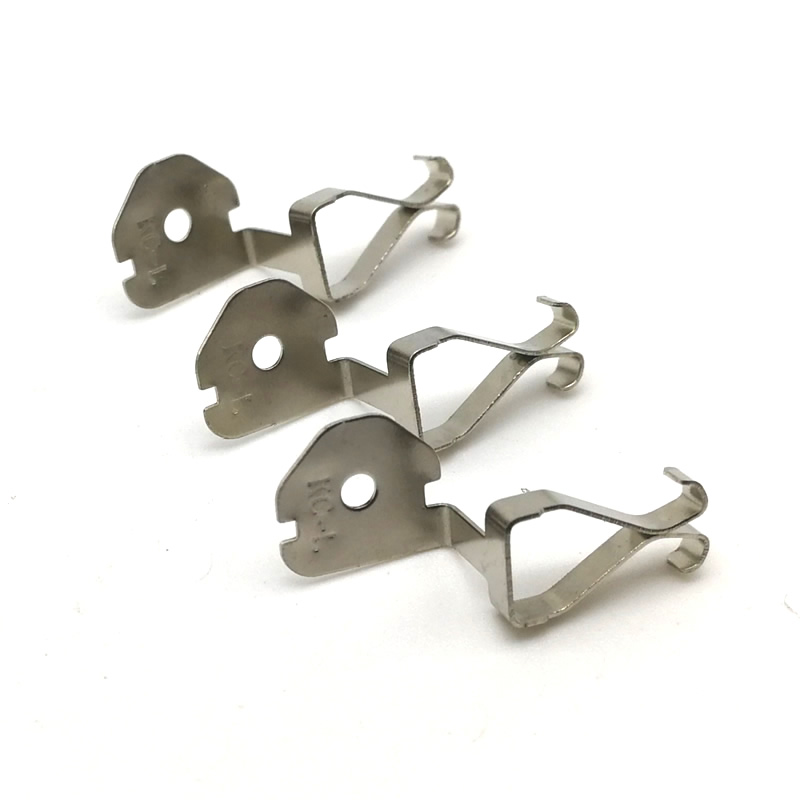
Bộ phận dập thép không gỉ
Bạn đang tìm kiếm các bộ phận dập bằng thép không gỉ bền? Nuote Metals, một nhà máy ở Trung Quốc, cung cấp các giải pháp Tùy chỉnh cho ô tô và thiết bị y tế. Việc dập chính xác của chúng tôi mang lại độ bền chống rỉ và độ khít chính xác. Giải quyết các vấn đề ăn mòn và mài mòn với các bộ phận được chế tạo để tồn tại lâu dài. Hãy tin tưởng vào chất lượng của nhà máy.
Đọc thêmGửi yêu cầu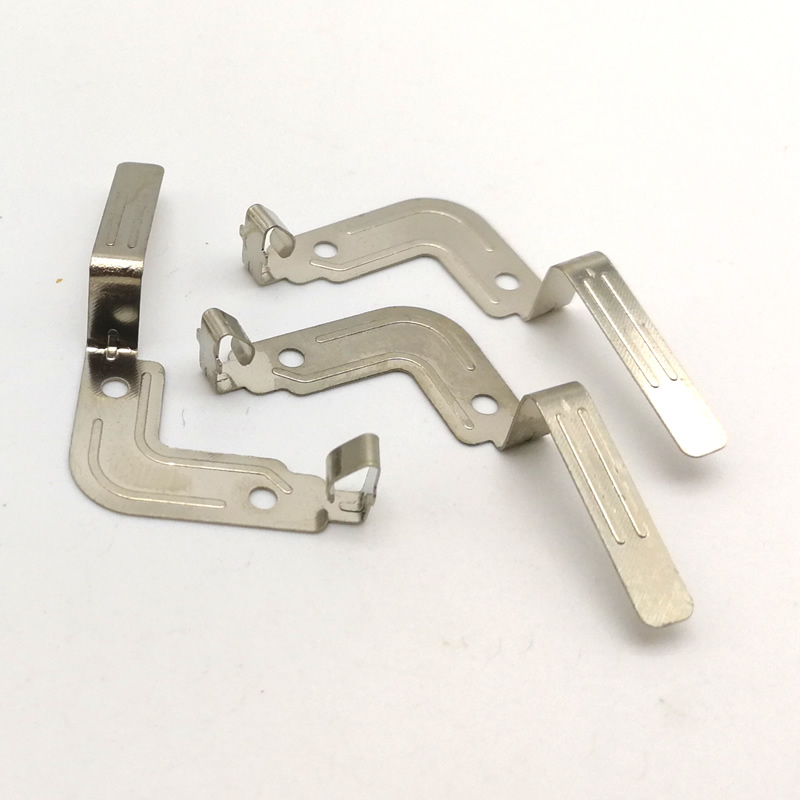
Dập tốc độ cao
Từ nhà máy ở Trung Quốc của chúng tôi, Nuote Metals cung cấp dịch vụ dập tốc độ cao tùy chỉnh cho các bộ phận chính xác. Quá trình này đảm bảo đầu ra nhanh và dung sai chặt chẽ, cắt giảm chi phí cho các đơn đặt hàng ô tô và điện tử. Hãy tin cậy vào chúng tôi để sản xuất hiệu quả giúp dự án của bạn luôn hoạt động.
Đọc thêmGửi yêu cầuSome important factors to keep in mind:
Plasticity and Grain Direction – Plasticity is a measure of the permanent deformation a material undergoes when subjected to stress. Metals with greater plasticity are more susceptible to forming. Grain direction is important in high-strength materials, such as tempered metals and stainless steel. If bending occurs along a high-strength grain, cracking is more likely.
Bending Deformation/Expansion: Bending deformation causes expansion of up to 1/3 of the material thickness. This deformation/expansion becomes more severe as the material thickness increases and the bend radius decreases. Web and "mismatch" cutting: This involves making very slight indentations or protrusions in the part, typically about 0.1mm deep. This feature is not required when using composite or transfer tools, but it is essential when using progressive dies.
Advantages and Limitations of Stamping
Advantages:
- Low cost: In mass production, the cost per part can be reduced to one-third of that of a cast part;
- High consistency: Dimensional tolerances can be controlled within ±0.1mm;
- High material utilization: Through nesting optimization, the utilization rate can reach over 85%.
Limitations:
- Long mold development cycle and high initial investment, making it unsuitable for large-scale production;
- Complex three-dimensional structures (such as hollow crankshafts) require integration with other processes.
Core Application Areas of Stamping Parts
1. Automotive Industry: Accounts for over 60% of total stamping part demand, including body panels and chassis components;
2. Electronics and Electrical: For example, metal mobile phone frames and heat sinks, thicknesses can be as thin as 0.2mm;
3. Home Appliance Industry: Refrigerator panels, air conditioner housings, etc., where surface aesthetics can be enhanced through electroplating or spraying.



X
Chúng tôi sử dụng cookie để cung cấp cho bạn trải nghiệm duyệt web tốt hơn, phân tích lưu lượng truy cập trang web và cá nhân hóa nội dung. Bằng cách sử dụng trang web này, bạn đồng ý với việc chúng tôi sử dụng cookie.
Chính sách bảo mật