
Đinh tán
Là một trong những nhà sản xuất chuyên nghiệp tại Trung Quốc, Nuote Metals mong muốn cung cấp cho bạn Đinh tán. Và chúng tôi sẽ cung cấp cho bạn dịch vụ sau bán hàng tốt nhất và giao hàng kịp thời.
Đinh tán là gì?
Đinh tán là một dây buộc cơ học vĩnh viễn được sử dụng để nối hai hoặc nhiều vật liệu. Đinh tán hoạt động bằng cách chèn một chốt kim loại vào một lỗ thẳng hàng và làm biến dạng phần cuối, tạo ra một kết nối chắc chắn, an toàn và bền bỉ. Không giống như các ốc vít tạm thời như ốc vít, đinh tán không dựa vào ren mà thay vào đó tạo thành mộtkết nối vĩnh viễn, khiến chúng trở nên lý tưởng cho các ứng dụng đòi hỏi độ bền, độ bền và khả năng chống rung cao.
Phân loại đinh tán
Đinh tán thường được phân loại theo hình dạng đầu, mức độ rỗng hoặc vật liệu.
Dựa trên hình dạng đầu, đinh tán có thể được phân loại thành:đinh tán đầu phẳng, đinh tán đầu tròn, đinh tán đầu chìm, đinh tán đầu nấm, đinh tán đầu phổ quát, đinh tán đầu giàn, vân vân.

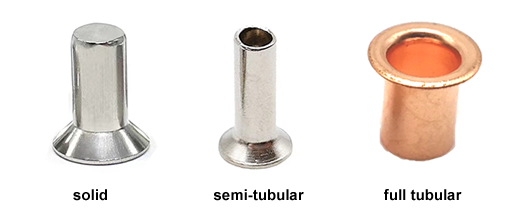
Dựa vào mức độ rỗng người ta có thể phân loại đinh tán thành:đinh tán rắn, đinh tán hình bán nguyệt, hoặc fđinh tán hình ống.
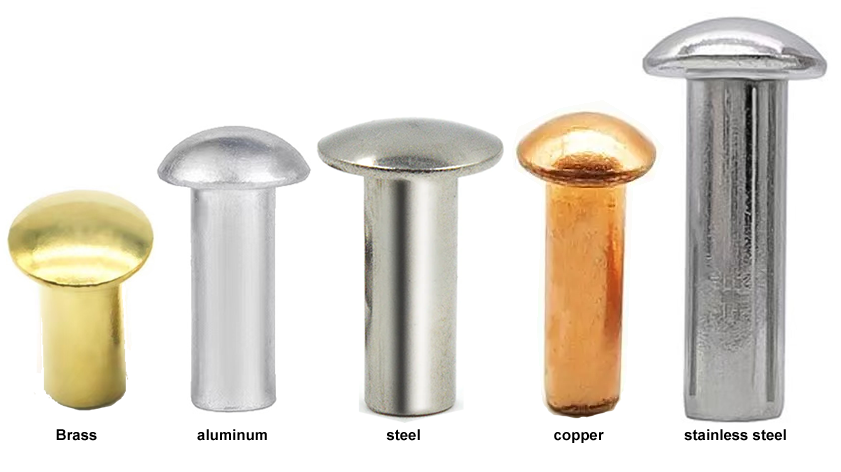
Dựa vào chất liệu, đinh tán có thể được phân loại thành:đinh tán bằng đồng, đinh tán thép không gỉ, đinh tán thép, đinh tán nhôm, đinh tán đồng, vân vân.
Những bề mặt hoàn thiện nào có sẵn cho đinh tán?
Bề mặt đinh tán thường được xử lý bằng các phương pháp xử lý chống gỉ, chủ yếu là mạ điện, bao gồmmạ kẽm, mạ niken, mạ crom,mạ thiếc, mạ vàng, Vàmạ bạc. Mạ điện là phương pháp chống gỉ phổ biến cho đinh tán. Nó áp dụng một lớp mạ lên bề mặt đinh tán thông qua các phương pháp vật lý hoặc hóa học. Lớp mạ có tác dụng chống ăn mòn, rỉ sét hiệu quả, đồng thời mang lại hiệu quả thẩm mỹ nhất định.
Một phương pháp xử lý bề mặt đặc biệt khác làlớp phủ đầu. Lớp phủ đầu được thực hiện sau khi đinh tán được mạ điện. Điều này cho phép tạo ra nhiều màu sắc khác nhau trên đầu đinh tán, mang lại vẻ ngoài đẹp mắt về mặt thẩm mỹ.
Đinh tán nhôm không thể mạ điện, nhưng chúng có thể được anod hóa. Anodizing cũng cho phép tùy chọn màu sắc đa dạng nhưng đơn giá cao hơn so với mạ điện.
Việc chống gỉ bề mặt đinh tán là rất quan trọng, giúp kéo dài tuổi thọ của đinh tán một cách hiệu quả và đảm bảo kết nối an toàn. Các phương pháp chống gỉ khác nhau phù hợp với các môi trường và ứng dụng khác nhau, vì vậy việc lựa chọn phải phù hợp với từng tình huống cụ thể.
Các sản phẩm
- View as
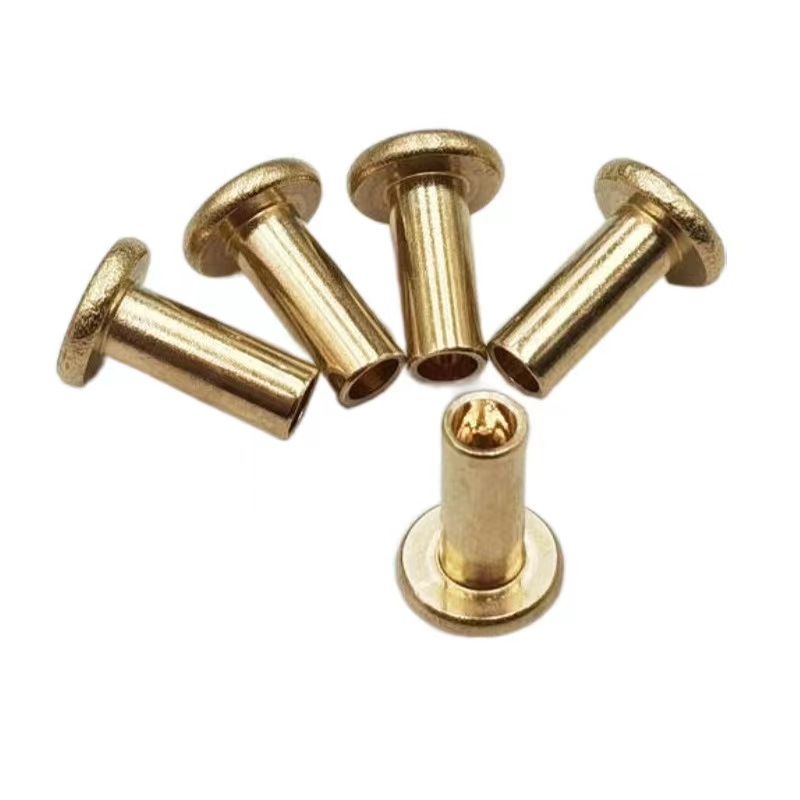
Truss Head Bán đinh tán rỗng
Nuote Metals cung cấp đinh tán bán rỗng đầu giàn - kiểu đầu rộng nhất hiện có, với đường kính đầu gấp 2,2–2,8 lần chuôi. Được thiết kế để ngăn chặn hiện tượng kéo xuyên qua các vật liệu mềm, nhựa, vật liệu tổng hợp và kim loại tấm mỏng. Có sẵn với đường kính chuôi 0,8–8,0mm, thép carbon, thép không gỉ, đồng thau, đồng và nhôm, với nhiều lớp hoàn thiện.
Đọc thêmGửi yêu cầu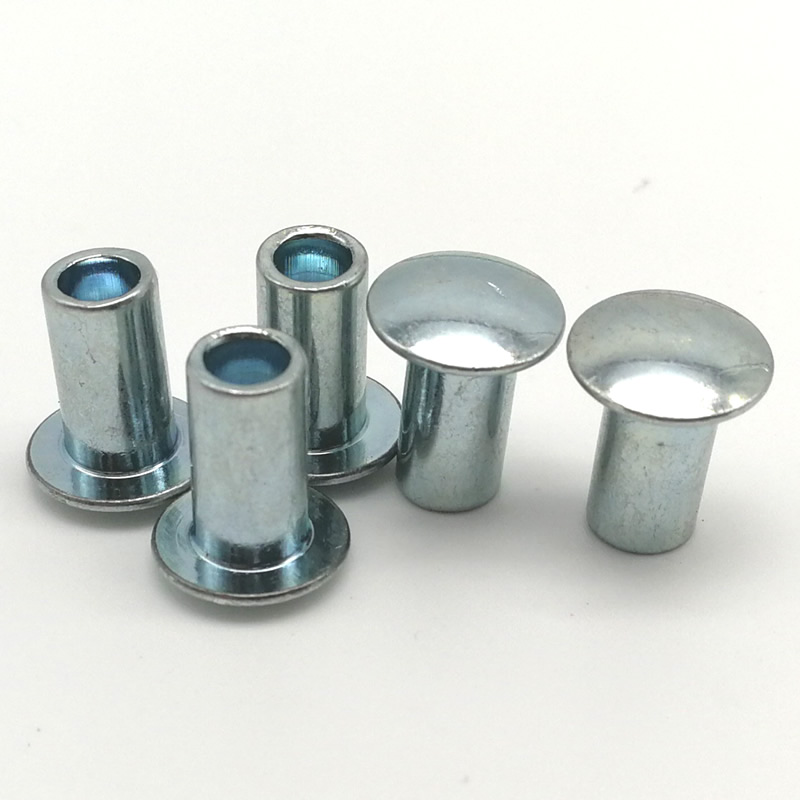
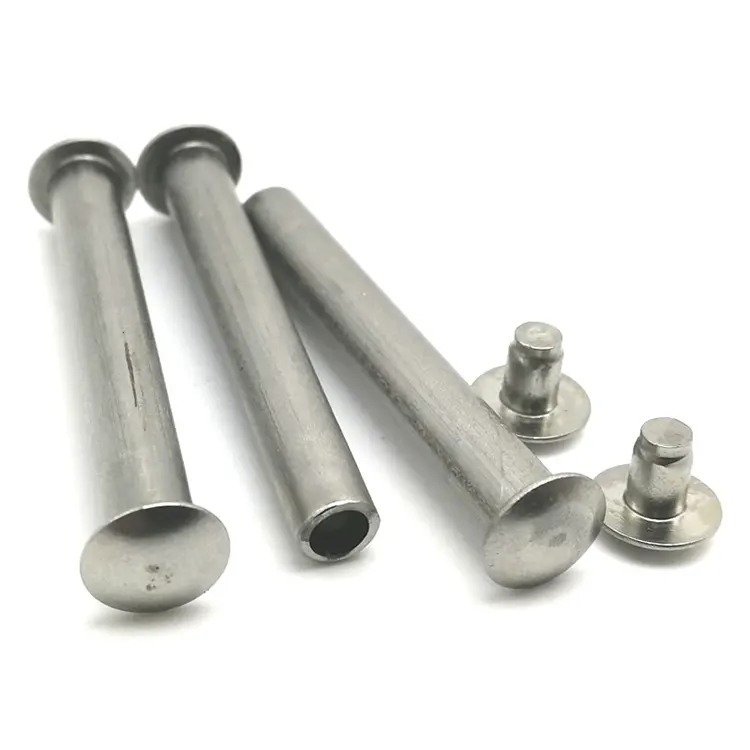
Đinh tán bán rỗng bằng thép
Nuote Metals cung cấp đinh tán bán rỗng bằng thép - ốc vít có khoang nông ở đuôi giúp giảm lực cài đặt tới 70% so với đinh tán đặc, trong khi vẫn giữ được 80–90% độ bền của đinh tán rắn. Còn được gọi là đinh tán nửa hình ống hoặc nửa rỗng. Được làm từ thép cacbon thấp, có đường kính cán 0,8–8,0mm, sáu kiểu đầu và nhiều lớp hoàn thiện. Lựa chọn tiết kiệm chi phí nhất trong dòng đinh tán bán rỗng.
Đọc thêmGửi yêu cầu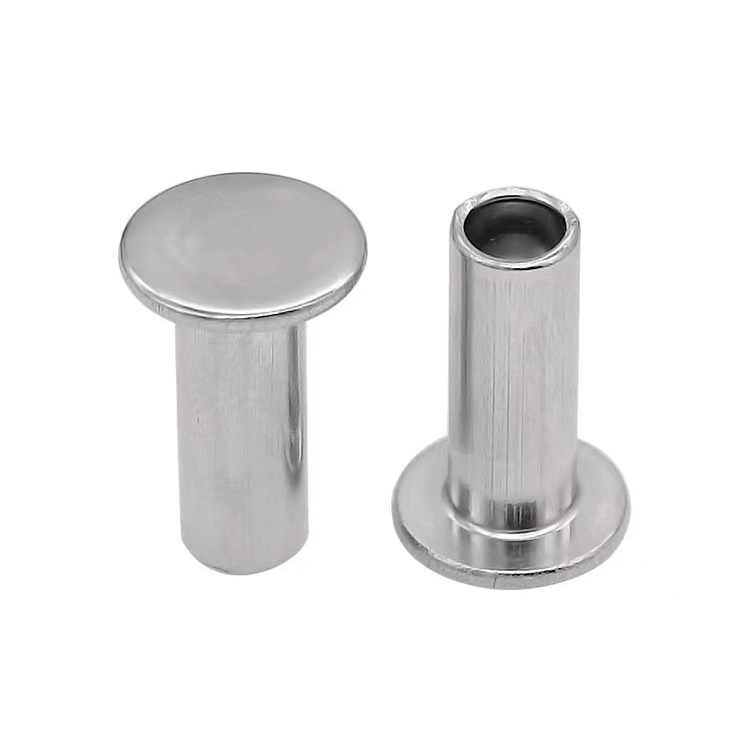
Đinh tán nửa rỗng bằng nhôm
Nuote Metals cung cấp đinh tán nửa rỗng bằng nhôm - ốc vít có khoang nông ở đuôi giúp giảm lực cài đặt tới 70% so với đinh tán đặc. Cũng thường được gọi là đinh tán hình bán nguyệt, đinh tán nửa hình ống hoặc đinh tán đầu rỗng. Có sẵn bằng nhôm nguyên chất 1100 và hợp kim 5052/5056, đường kính thân 0,8–8,0mm, sáu kiểu đầu và nhiều lớp hoàn thiện. Lựa chọn nhẹ nhất trong dòng đinh tán nửa rỗng.
Đọc thêmGửi yêu cầu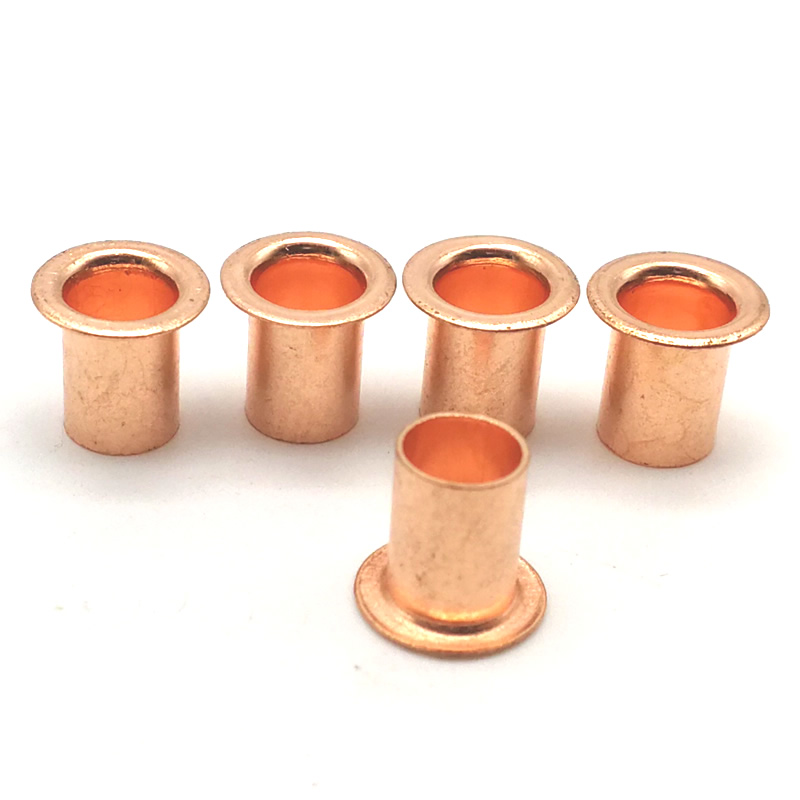
Đinh tán ống đồng
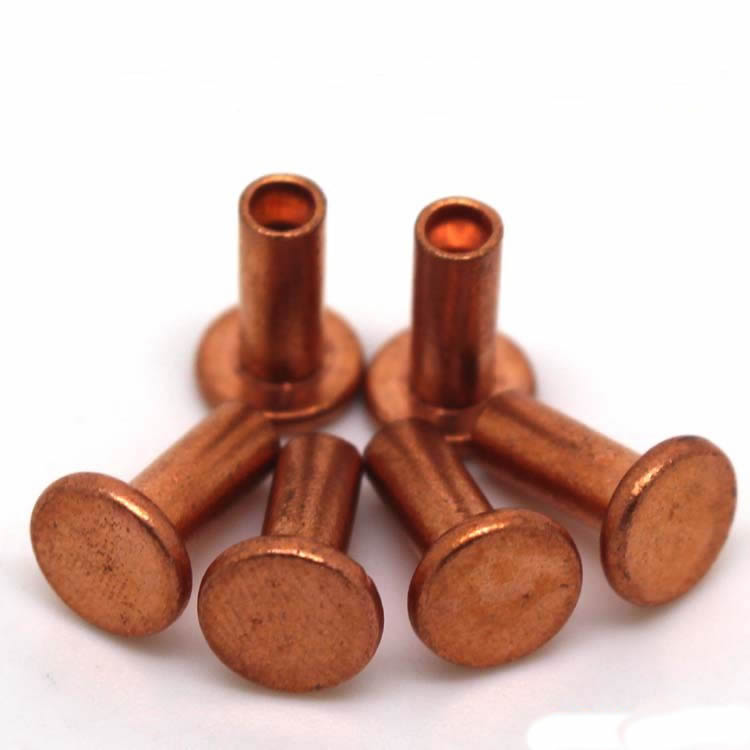
Nuote Metals cung cấp đinh tán ống đồng - ốc vít rỗng được làm từ ống đồng C11000 chính hãng, được cắt theo chiều dài với một đầu được tạo hình ở một đầu. Cũng thường được gọi là đinh tán rỗng bằng đồng. Dây buộc rỗng duy nhất mang lại độ dẫn điện 100% IACS, độ dẫn nhiệt 401 W/m·K và đặc tính kháng khuẩn tự nhiên – tất cả đều có trong một thành phần. Có sẵn với đường kính thân 1,0–10mm.
Đọc thêmGửi yêu cầu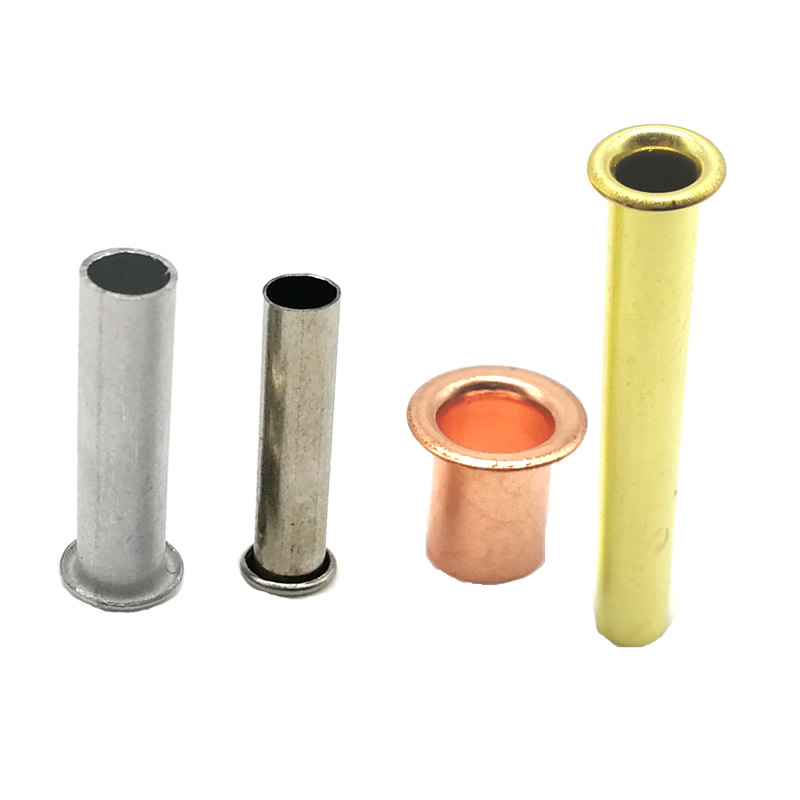
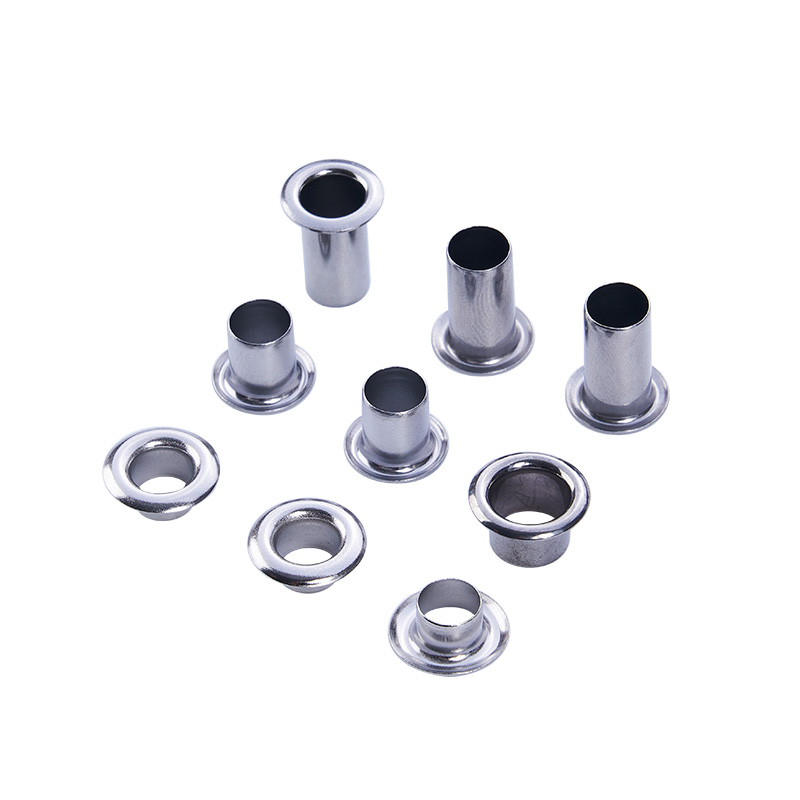
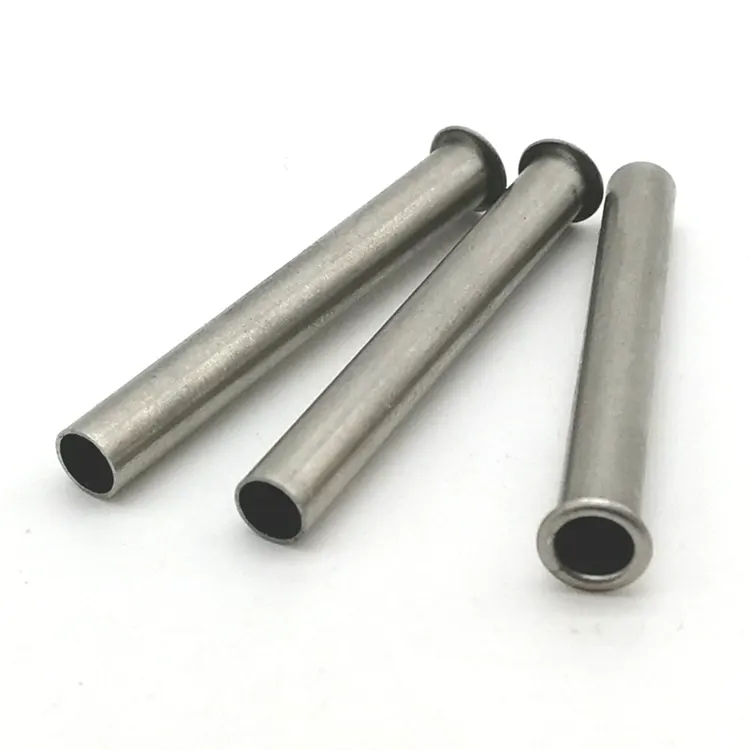
Đinh tán rỗng hoàn toàn
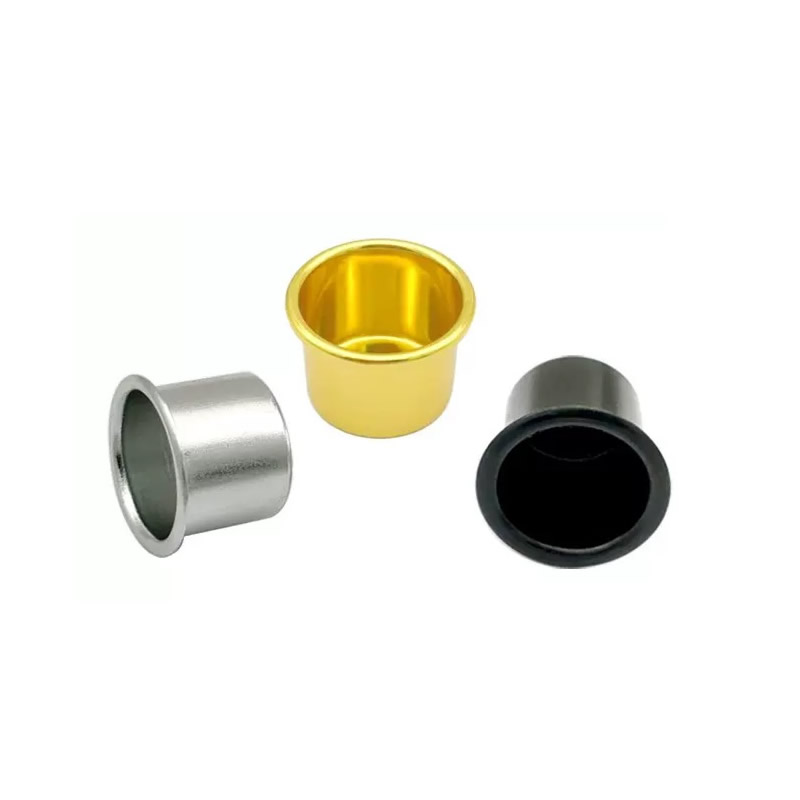
Nuote Metals cung cấp đinh tán rỗng hoàn toàn - loại đinh tán rỗng nhất trong dòng sản phẩm của chúng tôi, với thân đinh tán rỗng hoàn toàn từ đầu đến cuối. Ở mức 15–20% lực cài đặt đinh tán rắn, chúng là loại dây buộc cố định có lực thấp nhất mà bạn có thể chỉ định. Có sẵn với đường kính chuôi 0,8–10mm, thép carbon, thép không gỉ, đồng thau, đồng và nhôm. Chứng nhận ISO 9001.
Đọc thêmGửi yêu cầu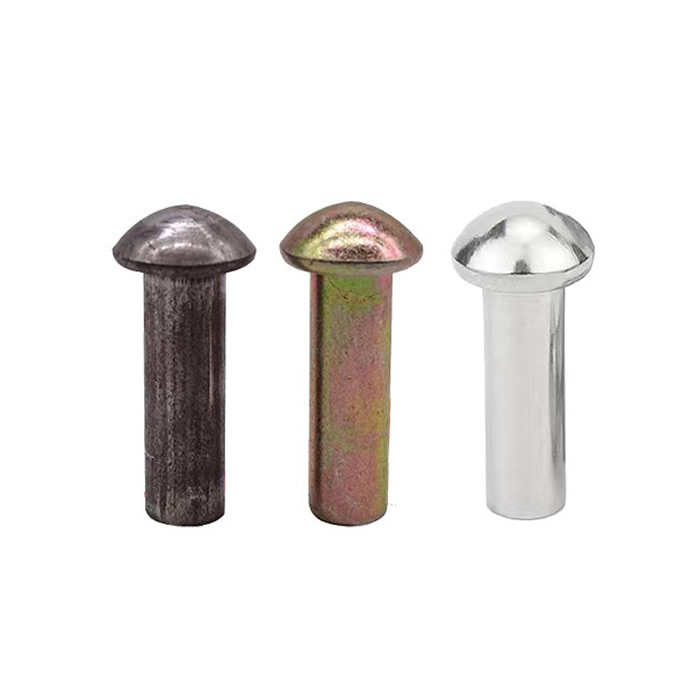
Đinh tán sắt rắn
Đinh tán sắt đặc từ Nuote Metals - giải pháp buộc chặt vĩnh viễn tiết kiệm chi phí nhất mang lại độ bền cắt và độ bền kéo tối đa. Có sẵn bằng thép cacbon thấp (1008/Q195), đường kính chuôi 1,5–8,0mm, sáu kiểu đầu, mạ kẽm hoặc hoàn thiện oxit đen. Chứng nhận ISO 9001. Mẫu miễn phí có sẵn. Hãy liên hệ với chúng tôi ngay hôm nay.
Đọc thêmGửi yêu cầuƯu điểm của đinh tán so với các loại ốc vít khác là gì?
1. Dễ cài đặt
Đinh tán được cài đặt nhanh chóng và thậm chí hoàn toàn tự động cho các ứng dụng có khối lượng lớn, dẫn đến quy trình vận hành đơn giản và hiệu quả.
2. Độ tin cậy của kết nối
Quy trình tán đinh được tiêu chuẩn hóa, kiểm soát chất lượng nghiêm ngặt nên kết nối có độ ổn định cao. Kiểm tra trực quan cho phép xác minh nhanh chóng chất lượng kết nối.
3. Chống rung và va đập
Đinh tán kết nối thông qua biến dạng hoặc khớp nối nhiễu, mang lại lực kẹp mạnh mẽ và khả năng chống rung tuyệt vời, có khả năng chịu rung và sốc.
4. Chi phí thấp
Đinh tán dễ lắp đặt và có thể hoàn toàn tự động, tiết kiệm chi phí lao động đáng kể.
Những ưu điểm và nhược điểm của đinh tán làm bằng vật liệu khác nhau là gì?
Đinh tán nhôm
Ưu điểm: Nhẹ, giảm trọng lượng tổng thể của sản phẩm, giá thành thấp, phù hợp cho các ứng dụng dân dụng nói chung.
Nhược điểm: Độ bền kéo và cắt thấp, không phù hợp với phôi có độ bền cao, dễ bị ăn mòn điện hóa khi tiếp xúc với kim loại như thép không gỉ.
Đinh tán thép không gỉ
Ưu điểm: Chống ăn mòn mạnh, độ cứng cao, phù hợp với các phôi có độ bền cao (như thiết bị hàng hải)
Nhược điểm: Giá thành cao hơn, thường đắt hơn đinh tán nhôm có cùng thông số kỹ thuật.
Đinh tán bằng đồng và đồng
Ưu điểm: Độ dẫn điện tốt (như kết nối linh kiện điện tử), chống ăn mòn tốt.
Nhược điểm: Giá thành cao hơn, khó gia công hơn.
Đinh tán thép
Ưu điểm: Độ cứng cao, độ tin cậy kết nối cao và khả năng ứng dụng rộng rãi.
Nhược điểm: So với các vật liệu khác, đinh tán sắt dễ bị rỉ sét hơn.
Các ứng dụng chính của đinh tán là gì?
Đinh tán có nhiều mục đích sử dụng, từ những vật dụng nhỏ như chiếc kéo đến những vật dụng lớn như máy bay và tàu thủy, cũng như trong các ứng dụng y tế có độ chính xác cao.
Sản xuất công nghiệp
Đinh tán được sử dụng trong nhiều lĩnh vực công nghiệp, bất cứ nơi nào có nhu cầu kết nối hai hoặc nhiều vật liệu.
Điện tử
Đinh tán cố định các bộ tản nhiệt và chip, giúp giảm rung và giảm tiếng ồn, đồng thời được sử dụng rộng rãi trong hệ thống làm mát của các sản phẩm điện tử như máy tính và điện thoại di động.
ô tô
Đinh tán được sử dụng rộng rãi để kết nối các bộ phận của thân và khung ô tô, chẳng hạn như cửa và mui xe. Đặc tính nhẹ và chống ăn mòn của chúng khiến chúng trở thành phương pháp nối không thể thiếu trong sản xuất ô tô.
Hàng không vũ trụ
Trong sản xuất máy bay, đinh tán được sử dụng để kết nối các bộ phận thân máy bay khác nhau, chẳng hạn như cánh và đuôi máy bay. Hàng triệu đinh tán tạo ra các mối nối có độ bền cao, chống ăn mòn. Đinh tán hợp kim nhôm và titan thường được sử dụng để kết nối các thành phần của vật liệu tương ứng, đảm bảo sự ổn định trong môi trường khắc nghiệt.
Đinh tán được sử dụng ở khắp mọi nơi. Các ví dụ trên chỉ đại diện cho một số ít ứng dụng của chúng. Chúng ta thấy đinh tán ở khắp mọi nơi trong cuộc sống hàng ngày, chẳng hạn như trên kéo, giường gấp và xe đẩy, v.v. Đinh tán có thể được tùy chỉnh theo các kích cỡ và vật liệu khác nhau tùy thuộc vào ứng dụng.
Nuote Metals chuyên về ngành đinh tán trong hơn một thập kỷ. Nhà máy của chúng tôi đặt tại Đông Quan, thành phố được mệnh danh là "Nhà máy Thế giới", một thành phố có nền công nghiệp phát triển và giao thông thuận tiện. Điều này cho phép chúng tôi phản hồi nhanh chóng khi mua nguyên liệu thô và hỗ trợ xử lý bề mặt, đáp ứng nhu cầu của khách hàng về việc truy cập nhanh vào các mẫu và đơn đặt hàng số lượng lớn. Chúng tôi sản xuất 10 triệu đinh tán mỗi ngày và có khuôn với nhiều thông số kỹ thuật khác nhau, cho phép chúng tôi sản xuất đinh tán nhỏ tới 0,8 mm và lớn tới 10 mm. Chúng tôi hoan nghênh yêu cầu và chuyến thăm của bạn.



X
Chúng tôi sử dụng cookie để cung cấp cho bạn trải nghiệm duyệt web tốt hơn, phân tích lưu lượng truy cập trang web và cá nhân hóa nội dung. Bằng cách sử dụng trang web này, bạn đồng ý với việc chúng tôi sử dụng cookie.
Chính sách bảo mật