Bộ phận dập
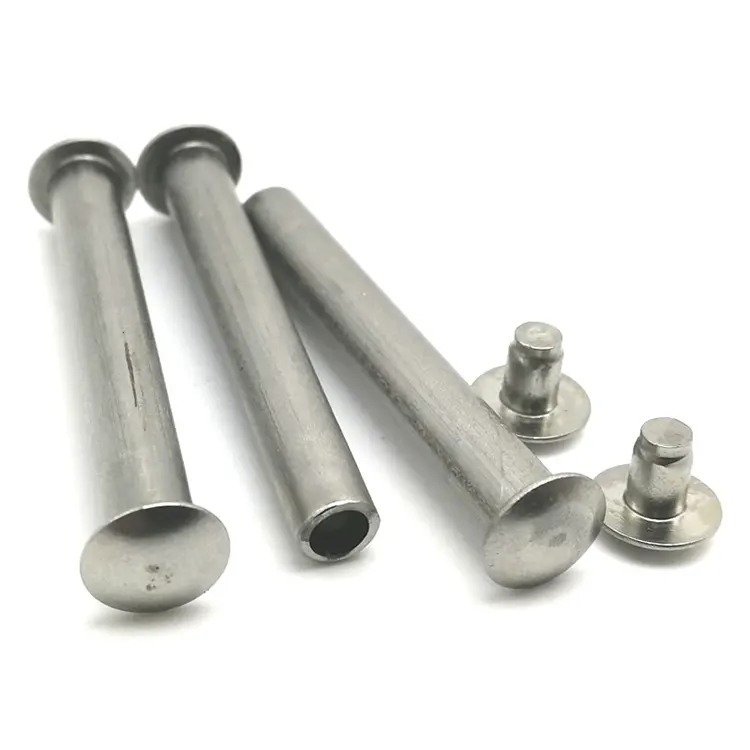
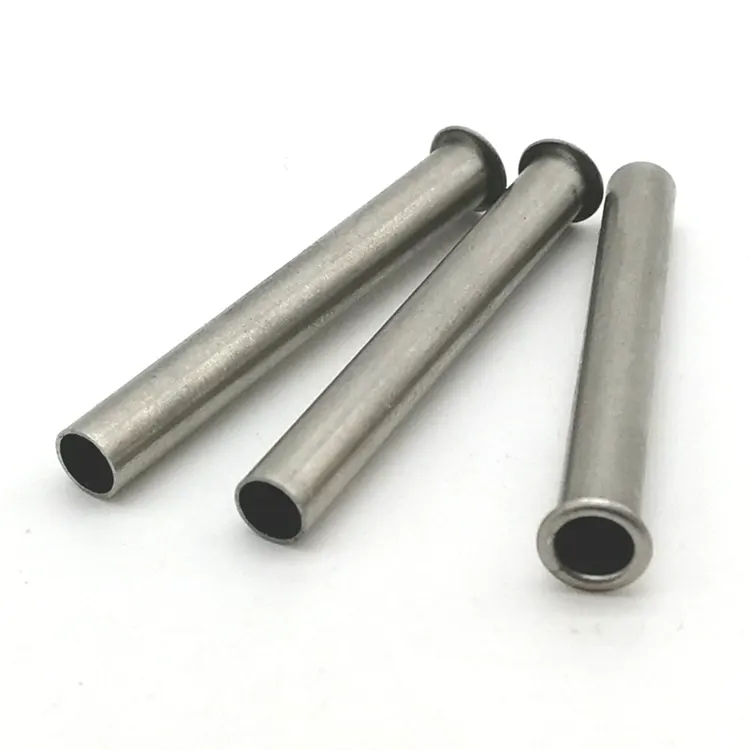
Các sản phẩm
- View as
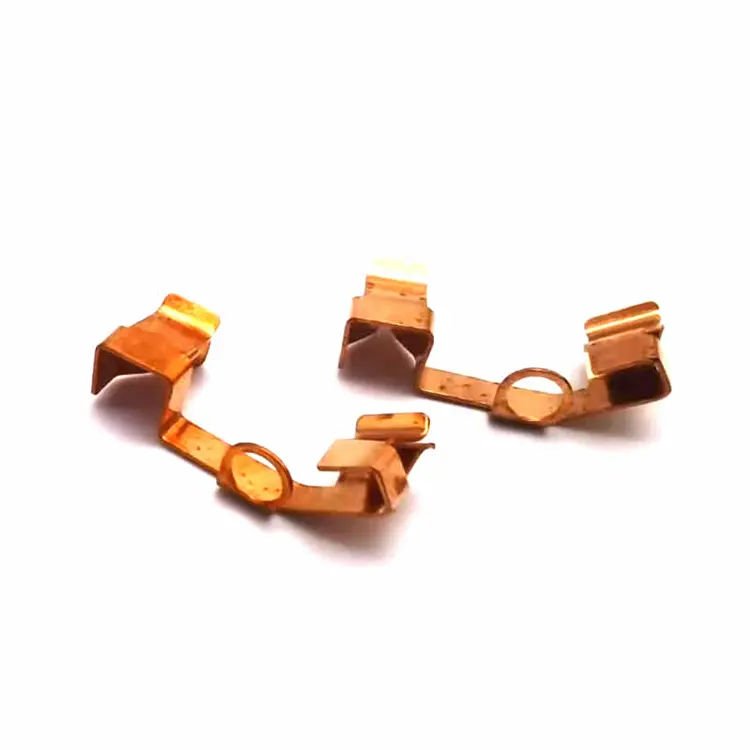
Bộ phận dập cho ổ cắm
Bộ phận dập cho ổ cắm là nhà sản xuất hàng đầu về các bộ phận dập kim loại tiến bộ, các bộ phận dập được sử dụng rộng rãi trong các công tắc, rơle, bộ điều nhiệt, công tắc tơ, bộ ngắt kết nối, bộ điều khiển, bộ hẹn giờ và các thiết bị điện áp thấp khác.
Đọc thêmGửi yêu cầu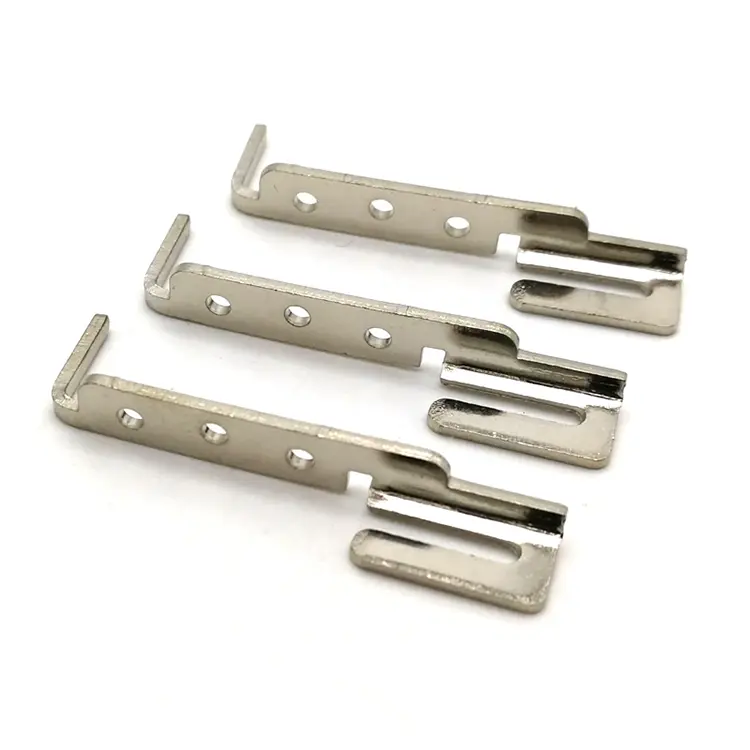
Bộ phận đóng dấu kim loại
Nuote Metals chuyên sản xuất các bộ phận được đóng dấu kim loại trong nhà. Chúng tôi có một đội ngũ chuyên gia nội bộ về thiết kế công cụ và khuôn dập, xây dựng, vận hành máy ép mẫu và lắp ráp. Chúng tôi có hơn 10 năm kinh nghiệm làm việc trong lĩnh vực kỹ thuật dập kim loại, hãy gửi cho chúng tôi bản vẽ của bạn để được báo giá nhanh.
Đọc thêmGửi yêu cầu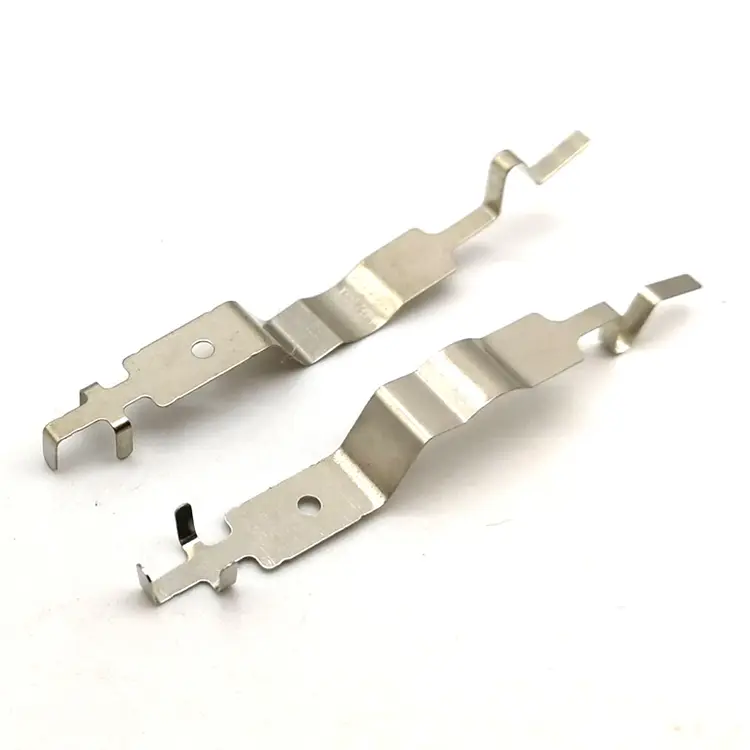
Bộ phận dập kim loại
Nuote Metals là nhà sản xuất các bộ phận dập kim loại hàng đầu về các bộ phận linh kiện tùy chỉnh từ nhiều loại vật liệu cơ bản, chẳng hạn như Nhôm, Đồng thau, Thép không gỉ, Đồng Beryllium, thép, v.v. Chúng tôi cung cấp nhiều khả năng dập kim loại chính xác, bao gồm: Làm trống, Uốn, Đúc, Tạo hình, Xuyên, v.v.
Đọc thêmGửi yêu cầu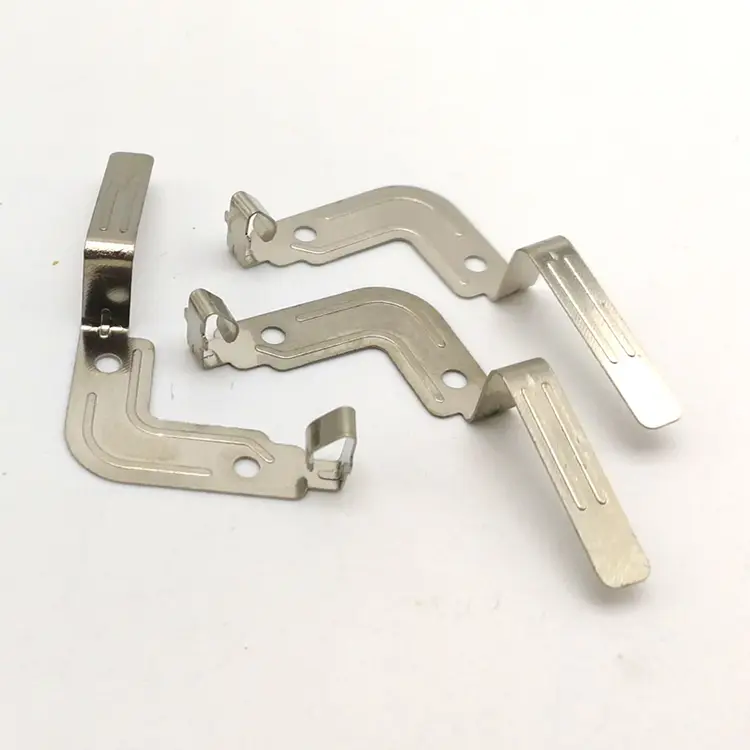
Bộ phận kim loại dập chính xác
Nuote Metals có thể sử dụng nhiều loại kim loại để sản xuất các bộ phận kim loại dập chính xác. Tuy nhiên, một số quy trình và loại kim loại hoạt động tốt hơn trong quy trình dập kim loại chính xác hoặc phù hợp hơn cho một trường hợp sử dụng cụ thể.
Đọc thêmGửi yêu cầu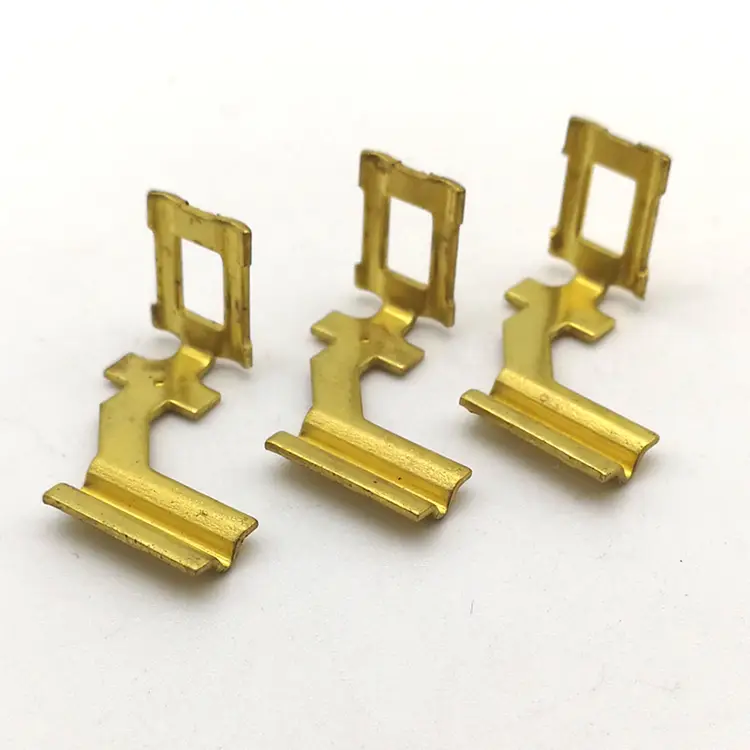
Dập kim loại chính xác
Nuote Metals là nhà sản xuất các bộ phận dập kim loại chính xác có trụ sở tại Trung Quốc - các bộ phận kim loại chính xác được sản xuất bằng cách sử dụng khuôn dập lũy tiến, ghép và chuyển. Với máy ép từ 25 đến 200 tấn, chúng tôi xử lý các vật liệu bao gồm thép carbon, thép không gỉ, nhôm, đồng thau và đồng. Các khả năng bao gồm dập nổi, xuyên thấu, uốn cong, vẽ, đúc và dập nổi. Chứng nhận ISO 9001:2015. Có sẵn các mẫu và đánh giá DFM miễn phí. Hãy liên hệ với chúng tôi ngay hôm nay.
Đọc thêmGửi yêu cầuSome important factors to keep in mind:
Plasticity and Grain Direction – Plasticity is a measure of the permanent deformation a material undergoes when subjected to stress. Metals with greater plasticity are more susceptible to forming. Grain direction is important in high-strength materials, such as tempered metals and stainless steel. If bending occurs along a high-strength grain, cracking is more likely.
Bending Deformation/Expansion: Bending deformation causes expansion of up to 1/3 of the material thickness. This deformation/expansion becomes more severe as the material thickness increases and the bend radius decreases. Web and "mismatch" cutting: This involves making very slight indentations or protrusions in the part, typically about 0.1mm deep. This feature is not required when using composite or transfer tools, but it is essential when using progressive dies.
Advantages and Limitations of Stamping
Advantages:
- Low cost: In mass production, the cost per part can be reduced to one-third of that of a cast part;
- High consistency: Dimensional tolerances can be controlled within ±0.1mm;
- High material utilization: Through nesting optimization, the utilization rate can reach over 85%.
Limitations:
- Long mold development cycle and high initial investment, making it unsuitable for large-scale production;
- Complex three-dimensional structures (such as hollow crankshafts) require integration with other processes.
Core Application Areas of Stamping Parts
1. Automotive Industry: Accounts for over 60% of total stamping part demand, including body panels and chassis components;
2. Electronics and Electrical: For example, metal mobile phone frames and heat sinks, thicknesses can be as thin as 0.2mm;
3. Home Appliance Industry: Refrigerator panels, air conditioner housings, etc., where surface aesthetics can be enhanced through electroplating or spraying.



X
Chúng tôi sử dụng cookie để cung cấp cho bạn trải nghiệm duyệt web tốt hơn, phân tích lưu lượng truy cập trang web và cá nhân hóa nội dung. Bằng cách sử dụng trang web này, bạn đồng ý với việc chúng tôi sử dụng cookie.
Chính sách bảo mật