Đinh tán đặc biệt
Các sản phẩm
- View as
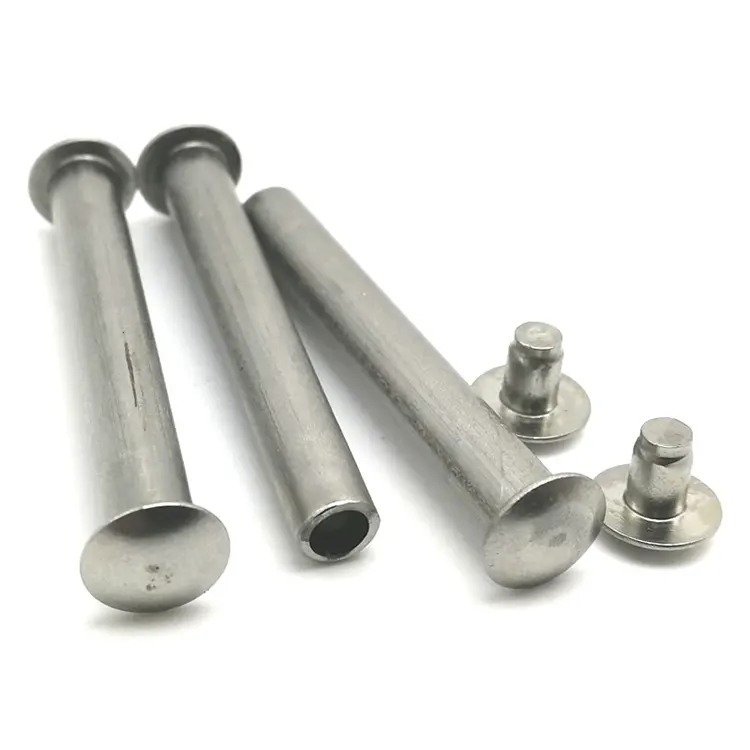
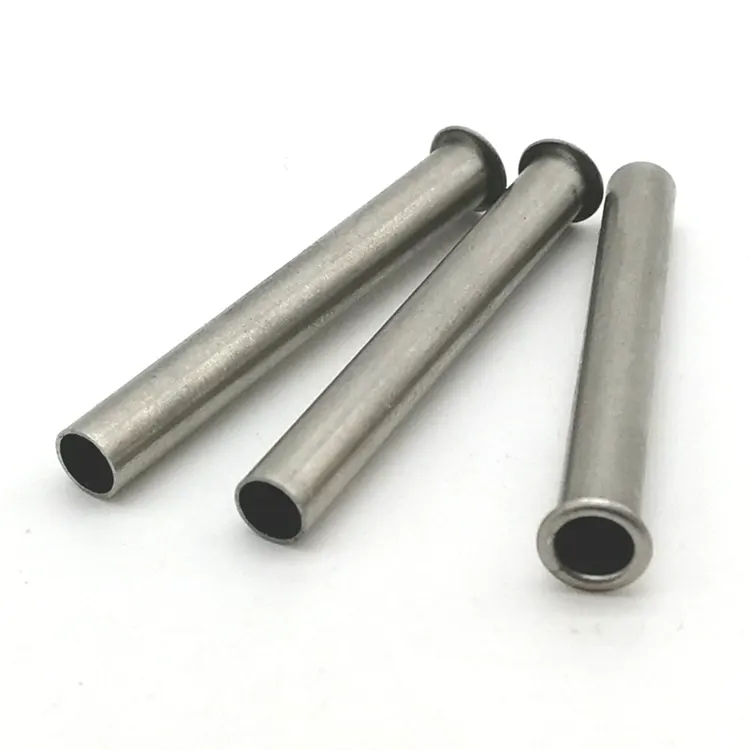
Đinh tán nhôm
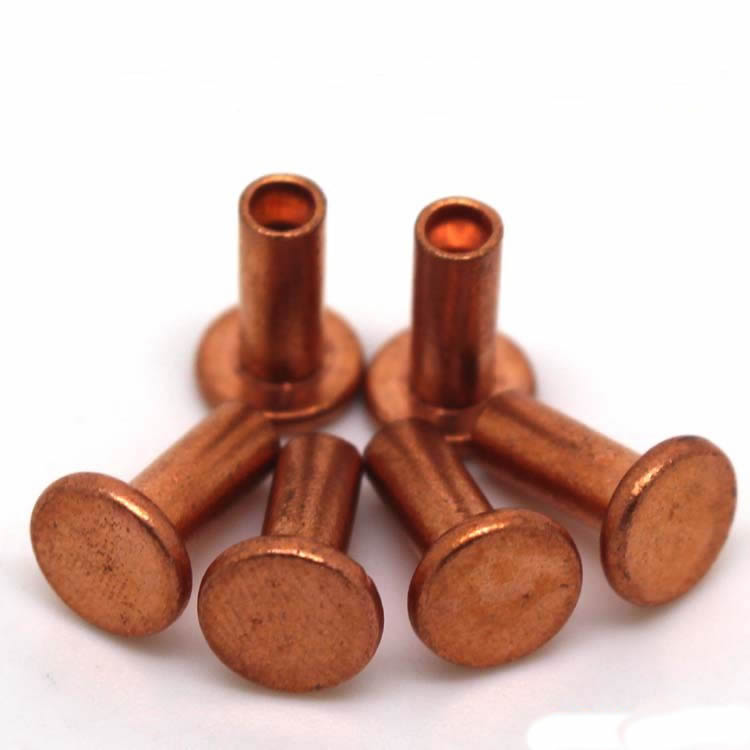
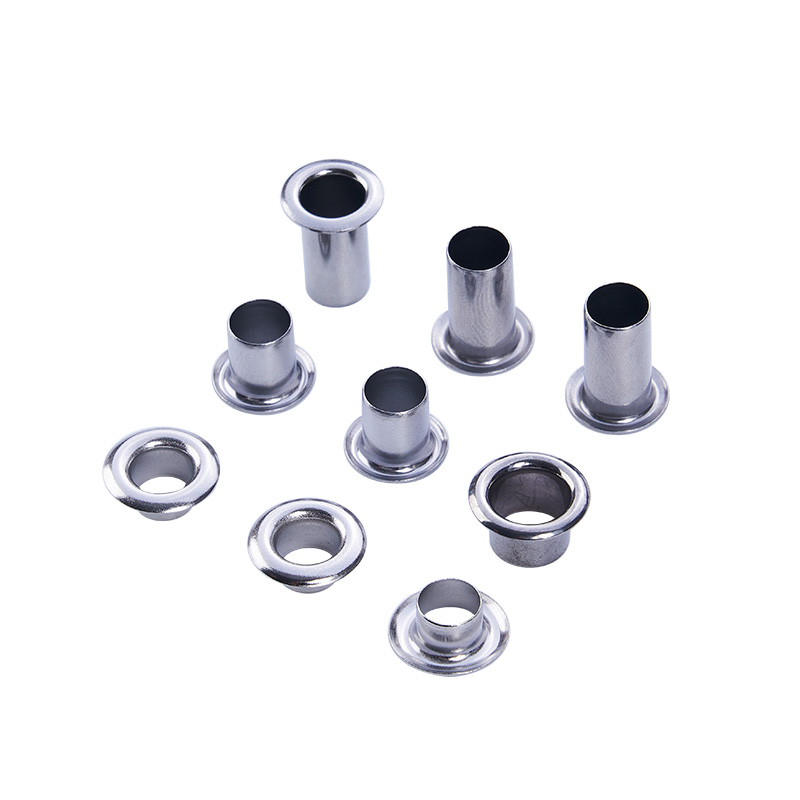
Nuote Metals sản xuất đinh tán nhôm ở dạng rắn, dạng bán ống và dạng ống hoàn chỉnh - mang lại trọng lượng nhẹ nhất so với bất kỳ vật liệu đinh tán thông thường nào với trọng lượng bằng 1/3 trọng lượng của thép. Có sẵn bằng nhôm nguyên chất và hợp kim 5052/5056, đường kính thân 1,5–8,0mm, được mạ anodized hoặc trơn.
Đọc thêmGửi yêu cầu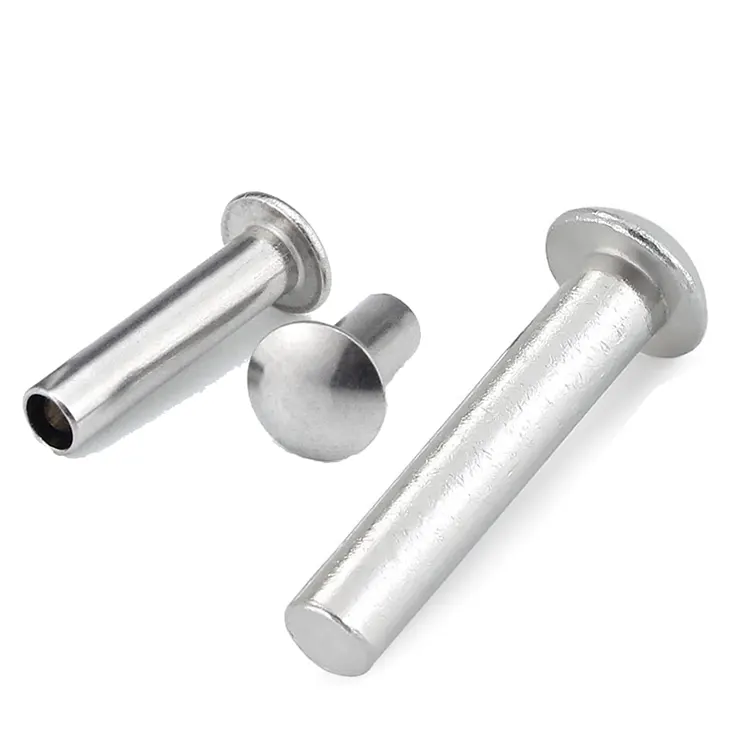
Đinh tán đầu nhôm
Đúng như tên gọi, đinh tán đầu chảo bằng nhôm là đinh tán bằng nhôm có đầu hình chảo. So với đinh tán đầu phẳng truyền thống, đinh tán nhôm đầu chảo có độ bền cắt cao hơn và khả năng chống gãy trong quá trình tán đinh. Phương pháp tán đinh này thường được sử dụng để kết nối các thành phần kết cấu đòi hỏi độ an toàn và bảo mật cao hơn, chẳng hạn như trong các ứng dụng máy bay và ô tô.
Đọc thêmGửi yêu cầu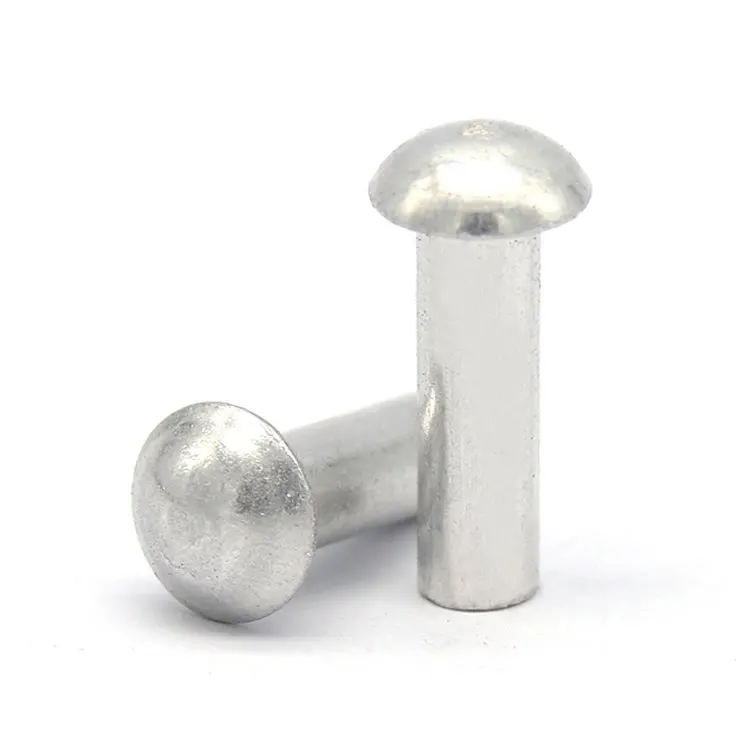
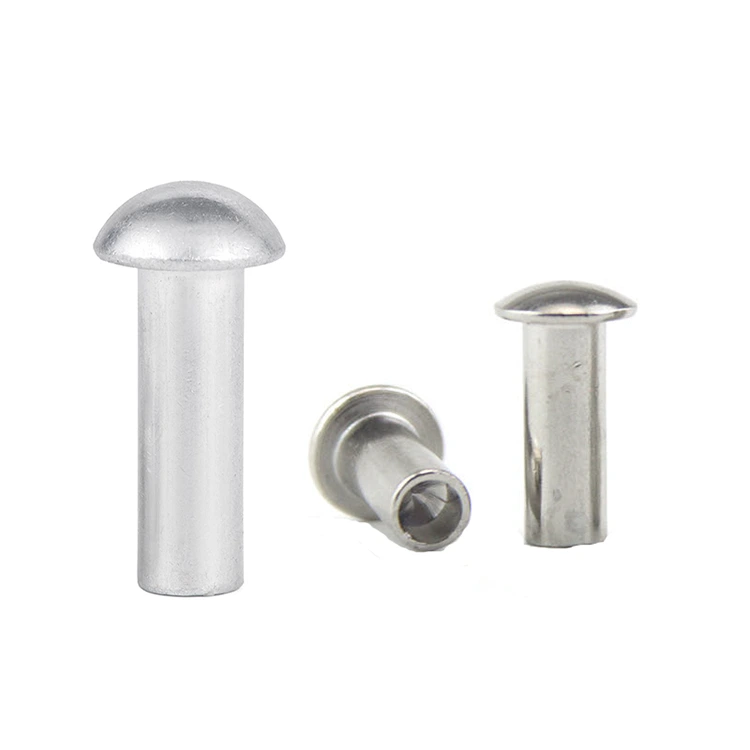
Đinh tán đầu nấm nhôm
Đinh tán đầu nấm bằng nhôm nhờ đặc tính nhẹ, chống ăn mòn, thẩm mỹ và thiết thực nên đóng một vai trò quan trọng trong nhiều ứng dụng. Nuote Metals, một nhà sản xuất đinh tán của Trung Quốc, chuyên sản xuất đinh tán đầu nấm bằng nhôm. Chúng tôi sở hữu hàng ngàn khuôn mẫu cho các thông số kỹ thuật đinh tán khác nhau và hơn 40 máy tán đinh, có khả năng sản xuất hàng chục triệu đinh tán mỗi ngày. Chúng tôi hoan nghênh yêu cầu của bạn.
Đọc thêmGửi yêu cầu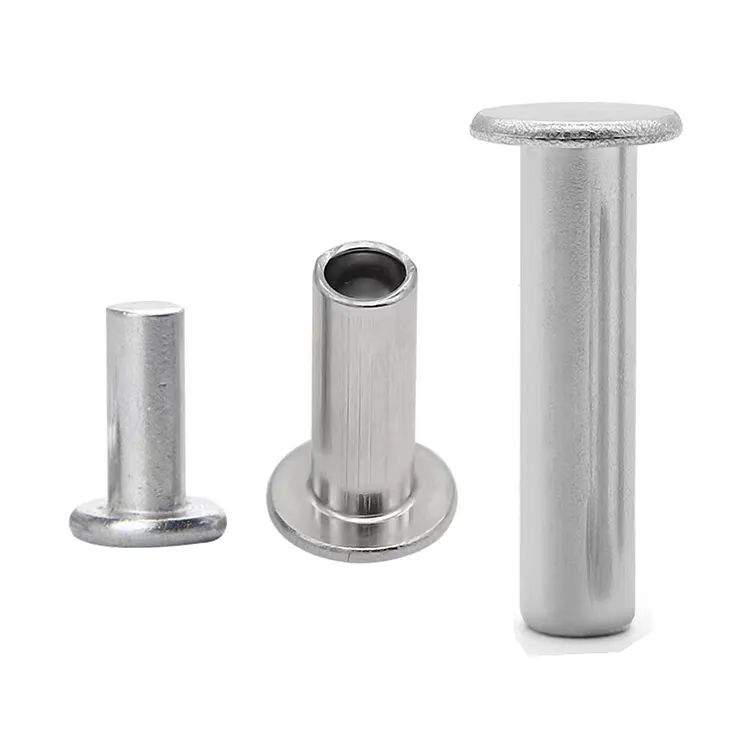
Đinh tán đầu phẳng bằng nhôm
Đinh tán đầu phẳng bằng nhôm nguyên chất được làm bằng nhôm nguyên chất và có trọng lượng nhẹ, chống ăn mòn và dẫn điện tuyệt vời. Chúng phù hợp cho các ứng dụng thông thường, có nhu cầu thấp như đồ nội thất, thiết bị điện, xe cộ và đóng tàu. Tuy nhiên, độ bền thấp của nhôm nguyên chất khiến nó không phù hợp với các ứng dụng có tải trọng cao. Nuote Metals là nhà sản xuất đinh tán đầu phẳng bằng nhôm hàng đầu tại Trung Quốc, xuất khẩu đinh tán của chúng tôi trên toàn thế giới. Chúng tôi hoan nghênh chuyến thăm và yêu cầu của bạn.
Đọc thêmGửi yêu cầu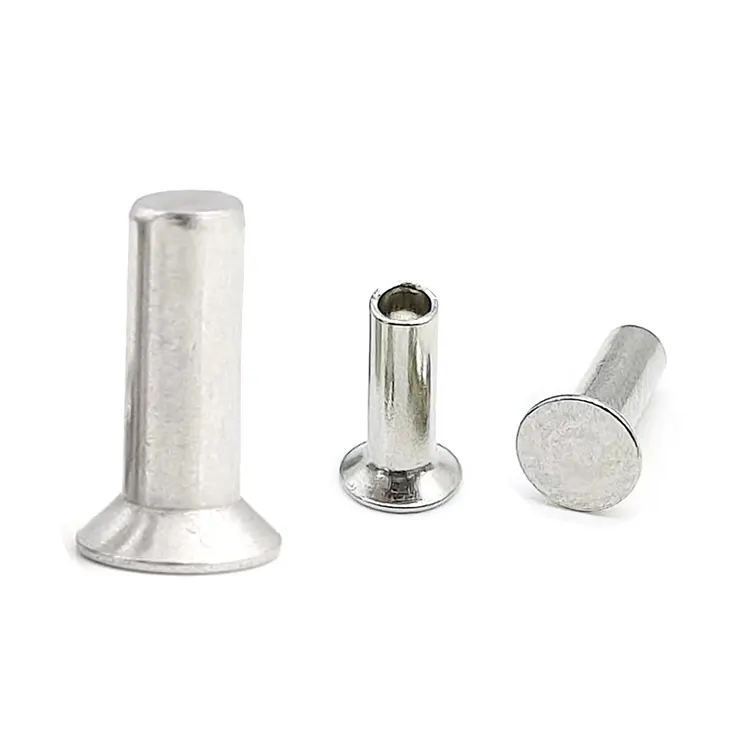
Đinh tán đầu chìm bằng nhôm
Đinh tán đầu chìm bằng nhôm là ốc vít dùng để kết nối hai hoặc nhiều tấm mỏng. Đầu chìm của chúng cho phép chúng nằm ngang bằng với bề mặt sau khi lắp đặt, giảm thiểu các phần nhô ra và khiến chúng phù hợp cho các ứng dụng yêu cầu bề mặt nhẵn. Được làm chủ yếu bằng nhôm, những chiếc đinh tán này có trọng lượng nhẹ, chống ăn mòn và có tính dẫn điện cao, khiến chúng được sử dụng rộng rãi trong các ngành công nghiệp như hàng không, ô tô, điện tử và xây dựng.
Đọc thêmGửi yêu cầu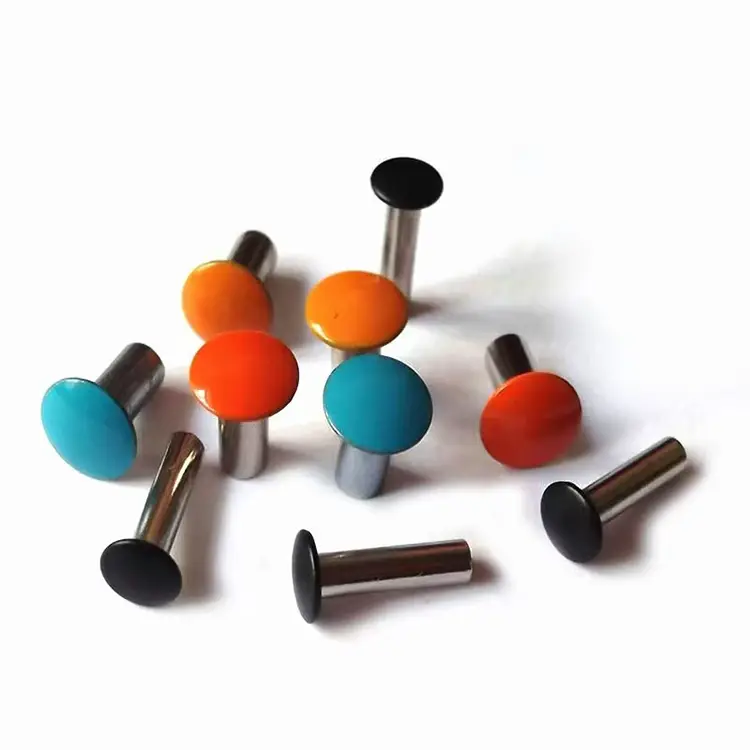
Sơn đinh tán đầy màu sắc
Đinh tán nhiều màu sắc được sơn là đinh tán có đầu được sơn, chúng có thể được sơn bằng nhiều màu khác nhau, chẳng hạn như đỏ, xanh lá cây, đen hoặc bất cứ màu nào bạn thích. Nuote Metals cung cấp đinh tán sơn với nhiều kích cỡ khác nhau, vui lòng gửi yêu cầu của bạn cho chúng tôi.
Đọc thêmGửi yêu cầuQuy trình sản xuất đinh tán đặc biệt
Quá trình sản xuất đinh tán đặc biệt bao gồm nhiều liên kết, chủ yếu bao gồm:
1.Lựa chọn vật liệu:Chọn vật liệu kim loại hoặc hợp kim phù hợp theo môi trường sử dụng.
2.Tiêu đề lạnh hoặc tiêu đề nóng:Sử dụng xử lý áp suất để tạo thành hình dạng cơ bản của đinh tán vào phôi kim loại.
3.Tiện hoặc Phay:Xử lý tinh tế các chi tiết như đầu và thân đinh tán để đảm bảo độ chính xác về kích thước.
4.Xử lý bề mặt:Chẳng hạn như mạ kẽm, mạ niken, anodizing, v.v. để cải thiện khả năng chống ăn mòn hoặc tính thẩm mỹ.
Ưu điểm và hạn chế của đinh tán đặc biệt
(1) Ưu điểm: Chúng có thể đáp ứng các nhu cầu đặc biệt, nâng cao hiệu quả lắp ráp và độ tin cậy của kết nối, phù hợp với các tình huống ứng dụng phức tạp hoặc có nhu cầu cao.
(2) Hạn chế: Vì là sản phẩm tùy chỉnh nên chi phí sản xuất cao, chu kỳ giao hàng tương đối dài và khách hàng phải cung cấp các thông số kỹ thuật chi tiết.
Làm thế nào để chọn đinh tán đặc biệt phù hợp?
(1)Làm rõ nhu cầu:Xác định các thông số chính như môi trường hoạt động của đinh tán, điều kiện ứng suất và yêu cầu về khả năng chống ăn mòn.
(2)Chất liệu phù hợp:Lựa chọn vật liệu phù hợp dựa trên nhu cầu thực tế để tránh thiết kế quá mức dẫn đến tăng chi phí.
(3)Trao đổi với nhà cung cấp:Cung cấp các bản vẽ hoặc mẫu kỹ thuật chi tiết để đảm bảo rằng các đinh tán Đặc biệt được sản xuất đáp ứng được mong đợi.
Các ứng dụng chính của đinh tán đặc biệt là gì?
(1)Hàng không vũ trụ: Máy bay, tên lửa và các thiết bị khác có yêu cầu cực kỳ cao về trọng lượng, độ bền và khả năng chịu nhiệt độ cao của ốc vít. Đinh tán đặc biệt có thể được tối ưu hóa theo nhu cầu cụ thể.
(2)Sản xuất ô tô:Một số mẫu xe đặc biệt hoặc xe hiệu suất cao có thể yêu cầu đinh tán đặc biệt để đáp ứng nhu cầu kết nối nhẹ hoặc cường độ cao.
(3)Thiết bị điện tử:Dụng cụ chính xác hoặc thiết bị điện tử nhỏ có thể yêu cầu đinh tán siêu nhỏ để đảm bảo sự ổn định và nhỏ gọn của kết nối.
(4)Ngành xây dựng:Một số tòa nhà hoặc dự án trang trí có cấu trúc đặc biệt có thể sử dụng đinh tán đặc biệt để đáp ứng các yêu cầu lắp đặt cụ thể.
Tình trạng thị trường của đinh tán đặc biệt
Với sự tiến bộ của công nghệ công nghiệp, ngày càng nhiều ngành công nghiệp bắt đầu sử dụng đinh tán đặc biệt để tối ưu hóa thiết kế sản phẩm. Hiện tại, các nhà sản xuất đinh tán đặc biệt chủ yếu tập trung ở khu vực Đồng bằng sông Dương Tử và Đồng bằng sông Châu Giang ở Trung Quốc và có thể cung cấp nhiều dịch vụ tùy chỉnh. Do đơn giá của đinh tán đặc biệt cao nên quy mô thị trường của nó tương đối nhỏ, nhưng nhu cầu trong lĩnh vực sản xuất cao cấp vẫn tiếp tục tăng.
Xu hướng phát triển trong tương lai
(1)Thiết kế nhẹ: Với việc cải thiện các yêu cầu về tiết kiệm năng lượng và bảo vệ môi trường, đinh tán đặc biệt làm bằng vật liệu nhẹ sẽ phổ biến hơn.
(2)Sản xuất thông minh: Thiết bị tự động và quản lý kỹ thuật số sẽ nâng cao hơn nữa hiệu quả sản xuất và độ ổn định chất lượng của đinh tán đặc biệt.
(3)Ứng dụng rộng hơn: Các ngành công nghiệp mới nổi như năng lượng mới và robot có thể thúc đẩy sự tăng trưởng nhu cầu về đinh tán đặc biệt.
Tóm lại, đinh tán đặc biệt là loại ốc vít có tính tùy chỉnh cao, có thể đáp ứng các nhu cầu đặc biệt mà đinh tán tiêu chuẩn không thể đáp ứng được. Mặc dù chi phí sản xuất của nó tương đối cao nhưng nó đóng một vai trò không thể thay thế trong các ngành công nghiệp như hàng không vũ trụ, ô tô và điện tử. Trong tương lai, với sự tiến bộ của công nghệ sản xuất, phạm vi ứng dụng của đinh tán đặc biệt dự kiến sẽ còn mở rộng hơn nữa.



X
Chúng tôi sử dụng cookie để cung cấp cho bạn trải nghiệm duyệt web tốt hơn, phân tích lưu lượng truy cập trang web và cá nhân hóa nội dung. Bằng cách sử dụng trang web này, bạn đồng ý với việc chúng tôi sử dụng cookie.
Chính sách bảo mật